
Enchanted Movie Cartoon: Fantasy and Animation Blend
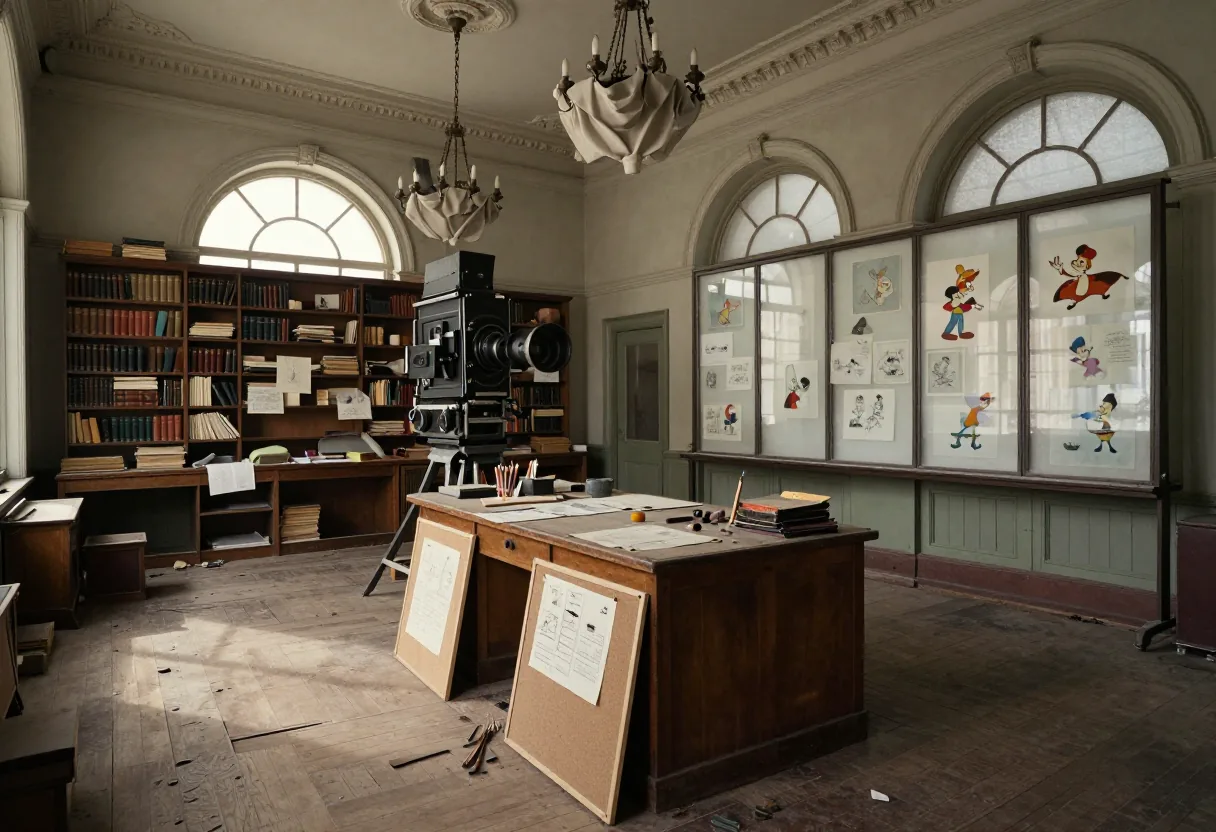
Freya Thackeray · on 30 July 2026 · 6 min read · Last reviewed 30 July 2026
Enchanted movie cartoons are animated films that blend fantastical storytelling with classic animation techniques, often drawing from vintage animation history to create a timeless appeal.
The term encompasses everything from Disney’s early hand-drawn masterpieces to modern CGI spectacles, with a particular focus on works that evoke the charm and magic of older animation styles.
- The first full-length animated feature film, Snow White and the Seven Dwarfs, was released by Walt Disney Productions in 1937.
- According to the International Animated Film Society, the golden age of American animation spanned from the 1920s to the 1960s.
- Vintage animation often relied on techniques like hand-drawn cels, rotoscoping, and limited animation to achieve its distinctive look.
- The Walt Disney Company pioneered many of these techniques, setting the standard for the industry.
The oldest animation in history
The oldest known animation is Humorous Phases of Funny Faces, a 1906 film by J. Stuart Blackton.
This early work used stop-motion and frame-by-frame animation to bring simple drawings to life. While far from the polished works we see today, it laid the groundwork for the art form.
Its experimental nature gives the film its significance. Blackton, a pioneer in the field, combined live-action sequences with animated segments, creating a hybrid that captivated audiences.
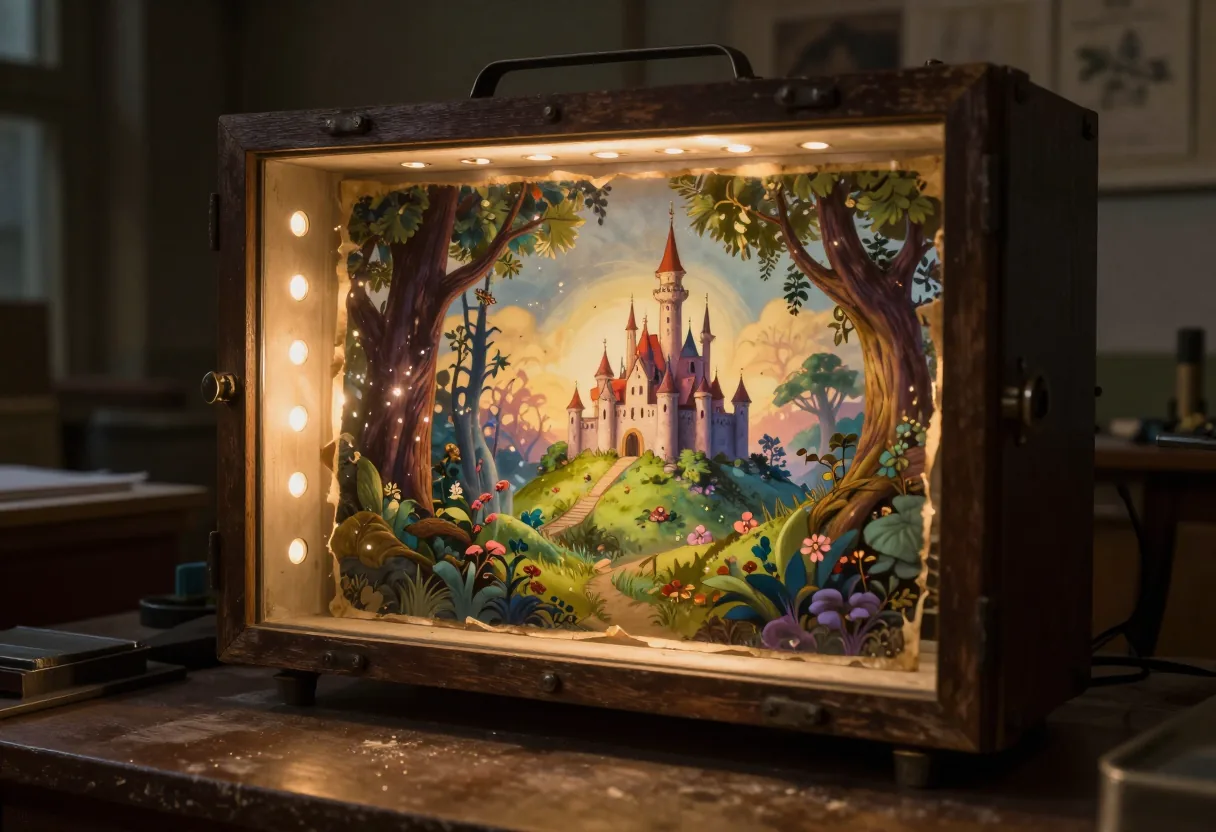
Vintage animation history timeline
Animation’s history dates back to the late 19th century, but it was in the early 20th century that it began to take shape as an art form.
| Era | Key Developments | Notable Works |
|---|---|---|
| 1900s-1910s | Early experiments with stop-motion and hand-drawn animation. | Humorous Phases of Funny Faces (1906), Gertie the Dinosaur (1914) |
| 1920s-1930s | Introduction of sound and color, rise of animated shorts. | Steamboat Willie (1928), Snow White and the Seven Dwarfs (1937) |
| 1940s-1950s | Golden Age of American animation, dominance of Disney and Warner Bros. | Bambi (1942), Looney Tunes shorts (1930s-1950s) |
How was animation done in the 1930s?
In the 1930s, animation was primarily done using hand-drawn techniques on cels (clear sheets of celluloid).
Animators would draw each frame by hand, which were then painted and photographed onto film. This labor-intensive process required teams of artists to create even a single minute of animation.
Sound’s introduction in the late 1920s added another layer of complexity. Animators had to synchronize their drawings with audio tracks, a challenging task that pushed the boundaries of the medium.
Old classic cartoons list
Old classic cartoons include a variety of styles and techniques, from the slapstick humor of early silent films to the sophisticated storytelling of the Golden Age.
| Cartoon | Year | Studio | Notable Feature |
|---|---|---|---|
| Steamboat Willie | 1928 | Walt Disney Productions | First synchronized sound cartoon |
| Silly Symphonies | 1929-1939 | Walt Disney Productions | Innovative use of color and music |
| Popeye the Sailor | 1933-1957 | Fleischer Studios | Rotoscoping technique for fluid movement |
Early history of animation
Animation’s early history is marked by a series of groundbreaking innovations and experimental works.
One of the first animated films, Gertie the Dinosaur (1914) by Winsor McCay, showcased the potential of animation as an art form. McCay’s meticulous attention to detail set a new standard for the industry.
Animated shorts rose to prominence in the 1920s, with studios like Walt Disney Productions and Fleischer Studios leading the way. These shorts often featured recurring characters and simple, engaging storylines.
The Golden Age of Disney
Spanning from the 1930s to the 1950s, Disney’s Golden Age marked a period of unprecedented creativity and innovation.
During this time, Disney produced some of its most beloved classics, including Snow White and the Seven Dwarfs, Bambi, and Cinderella. These films showcased the studio’s mastery of hand-drawn animation and set the standard for the industry.
This period solidified Disney’s reputation as a leader in animation. The Golden Age also saw the introduction of new techniques, such as the multiplane camera, which added depth and dimension to animated scenes.
Major studios and their contributions
Several major studios have played a significant role in the development of vintage animation history.
Walt Disney Productions, of course, is one of the most influential. The studio’s early works, such as Snow White and the Seven Dwarfs, paved the way for the feature-length animated film. Disney’s commitment to innovation and quality set a high bar for the industry.
Fleischer Studios, known for their Popeye and Betty Boop cartoons, made significant contributions to the art of animation. The studio’s use of rotoscoping, a technique that traces over live-action footage, allowed for more fluid and lifelike movement.
What was the first animation in history?
The first animation in history is generally considered to be Humorous Phases of Funny Faces, created by J. Stuart Blackton in 1906.
While primitive by today’s standards, it laid the groundwork for the art form. This short film combined live-action sequences with animated segments, showcasing the potential of animation as a storytelling medium.
Blackton’s work inspired a generation of animators to explore the possibilities of the medium. The film’s experimental nature and innovative techniques made it a landmark in animation history.
Vintage animation techniques and their legacy
Vintage animation techniques, such as hand-drawn cels and rotoscoping, have left a lasting legacy on the industry.
Hand-drawn animation, in particular, is celebrated for its artistic quality and attention to detail. The labor-intensive process required teams of artists to create each frame, resulting in a unique and expressive style.
Rotoscoping, a technique that traces over live-action footage, allowed animators to achieve more fluid and lifelike movement. This technique was widely used in early cartoons and continues to influence animators today.
How to appreciate vintage animation today
To appreciate vintage animation today, start by watching classic films and shorts from the Golden Age.
Visit the Walt Disney Family Museum for an in-depth look at the history of animation. The museum’s extensive collection of artifacts and exhibits offers a fascinating glimpse into the early days of the industry.
Additionally, platforms like The Rescuers Cartoon: Disney's Underdog Classic offer a wealth of vintage animation content, allowing you to explore the works of legendary animators at your own pace.
Take the time to study the techniques and styles of vintage animation. Pay attention to the details, such as the use of color, sound, and movement, that set these works apart.
The enduring appeal of enchanted movie cartoons
Enchanted movie cartoons continue to captivate audiences with their timeless charm and magical storytelling.
Whether you’re a fan of classic Disney films or modern CGI spectacles, there’s something enchanting about the way animation brings stories to life. The blend of fantasy and animation creates a unique and immersive experience that transcends generations.
In my experience, the best way to appreciate these films is to approach them with an open mind and a sense of wonder. Allow yourself to be transported to magical worlds and lose yourself in the storytelling.
Explore the rich history of animation and discover the techniques and innovations that have shaped the art form. From the early experiments of J. Stuart Blackton to the groundbreaking works of Walt Disney, the history of animation is filled with fascinating stories and legendary figures.
Frequently asked questions
The questions that come up most often about enchanted movie cartoon, answered directly.
What makes *Enchanted* stand out among other animated films?
*Enchanted* uniquely blends live-action and animation, creating a magical experience. The film's protagonist, Giselle, transitions from a cartoon world to modern-day New York, merging two distinct visual styles. This innovative approach, combined with witty humor and heartwarming storytelling, makes the difference from traditional animated features.
Who are the key voice actors in *Enchanted*?
Amy Adams voices the lead character, Giselle, while Patrick Dempsey plays Robert Philip. James Marsden voices Prince Edward, and Susan Sarandon voices the villain, Queen Narissa. The cast's talent brings depth and charm to the film's characters, enhancing the overall viewing experience.
How did *Enchanted* perform at the box office?
*Enchanted* was a commercial success, grossing over a typical market rate million worldwide against a a typical market rate million budget. Its blend of fantasy and humor appealed to a wide audience, making it one of Disney's notable animated films of the mid-2000s.
What are some notable songs from *Enchanted*'s soundtrack?
The film features memorable songs like 'True Love's Kiss,' 'Happy Working Song,' and 'That's How You Know.' Composed by Alan Menken, the soundtrack complements the film's whimsical tone and enhances key scenes with catchy, uplifting melodies.
Frequently asked questions (in practice)
The questions that come up most often about enchanted movie cartoon, answered directly.
What makes Enchanted (2007) unique among Disney animated films?
Enchanted blends live-action and animation, breaking the fourth wall. Giselle, voiced by Amy Adams, starts in a traditional hand-drawn animated fairy tale, then transitions to live-action New York. The film pokes fun at Disney tropes while honoring them, a meta-commentary rare in family films.
How did Enchanted's hybrid format influence its production?
The team filmed live-action plates for backgrounds in New York. Animators then integrated hand-drawn characters into these scenes, a labor-intensive process. Director Kevin Lima pushed for this approach to contrast Giselle's idealized cartoon world with the grit of Manhattan.
What real-world locations inspired Enchanted's settings?
Central Park's Belvedere Castle and the New York Public Library's Rose Main Reading Room appear in the film. The animated kingdom of Andalasia mirrors European castles like Neuschwanstein, Germany. These choices ground the fantasy in recognizable landmarks.
Why does Enchanted's villain, Narissa, stand out?
Narissa, voiced by Susan Sarandon, subverts the traditional evil stepmother trope. She's Giselle's stepmother and fairy godmother, wielding dark magic. Her motives—jealousy of youth and power—add psychological depth rare in animated villains.
Related Reading
- Lost Atlantis Cartoon: Myth, Media, and Adaptations
- Antz Cartoon: Pioneers of CGI Animation
- Famous Cartoon Women: Trailblazers in Animation