
Animated Comedy: From Vaudeville to Modern Hits

Declan Whitfield · on 30 July 2026 · 8 min read · Last reviewed 30 July 2026
Animated comedy is a genre of animation that uses humour to entertain audiences, with roots in vaudeville and live-action comedy traditions, evolving into modern hits such as The Simpsons and Family Guy.
From slapstick to satirical, animated comedy has continually pushed boundaries, adapting to cultural shifts and technological advancements.
- The oldest known animated film is Fantasmagorie, a 1908 French black-and-white silent film by Émile Cohl.
- Mickey Mouse, created by Walt Disney in 1928, became the first animated character to achieve global fame.
- The Golden Age of American Animation, spanning the 1930s to the 1960s, saw the rise of iconic studios like Disney, Warner Bros., and Fleischer Studios.
- The Simpsons, premiering in 1989, became the longest-running American animated sitcom and a cultural phenomenon.
What is the oldest animation in history?
The oldest known animation is Fantasmagorie, created by French animator Émile Cohl in 1908. This black-and-white silent film, lasting just over a minute, features a clown that encounters various objects and creatures, including a bottle of wine that transforms into a devil.
Created using stop-motion and frame-by-frame animation techniques, Fantasmagorie was a groundbreaking work that showcased the potential of animation as a storytelling medium. It was produced by Gaumont, a pioneering film company in France, and screened in cinemas across Europe.
How was animation done in the 1930s?
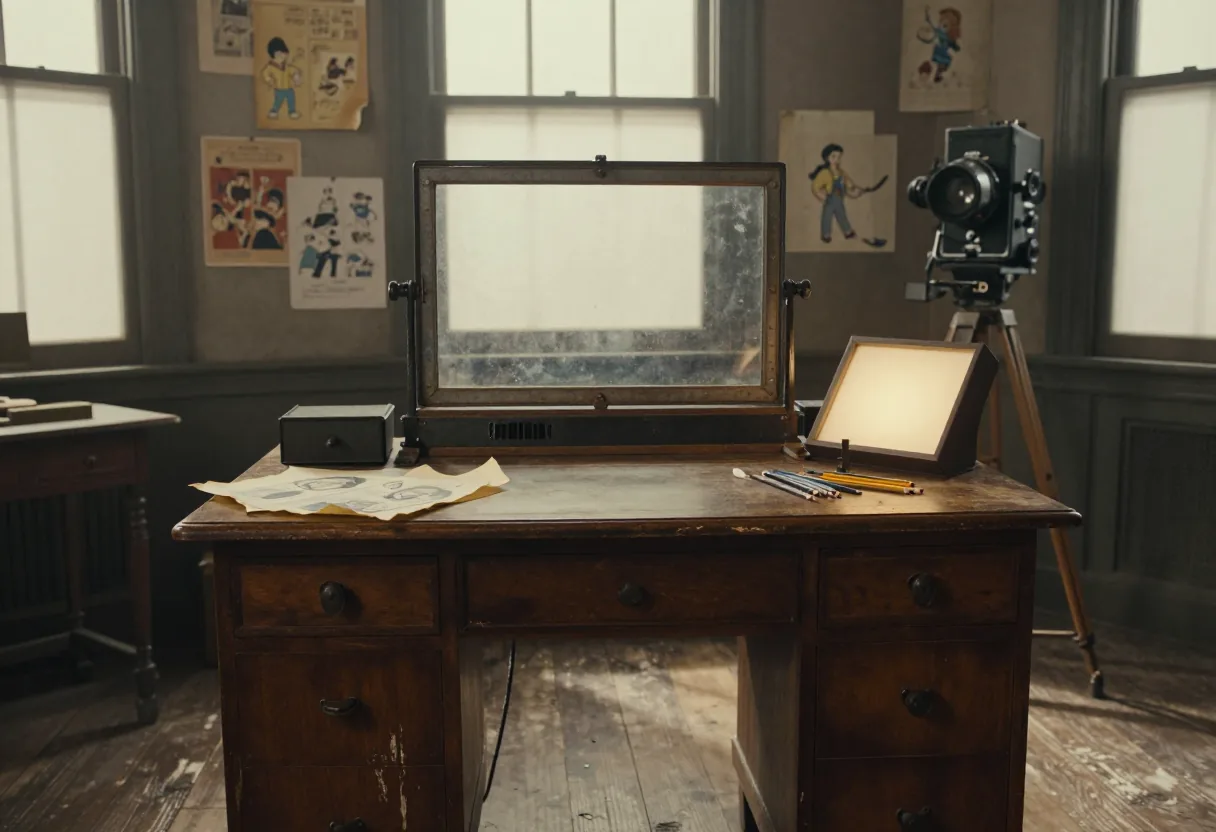
In the 1930s, animation was primarily created using hand-drawn techniques and photographed frame by frame onto film. Animators drew each frame on transparent sheets called cels, which were then layered over painted backgrounds and photographed.
This process, known as cel animation, was time-consuming and labour-intensive, requiring teams of artists to produce a single minute of animation. The 1930s also saw the development of synchronised sound and colour in animation, with films like Disney’s Snow White and the Seven Dwarfs (1937) pushing the boundaries of what was possible in the medium. According to the Walt Disney Family Museum, this era marked the beginning of the Golden Age of American Animation.
What is the old style of animation called?
The old style of animation is typically referred to as traditional animation or cel animation, a process that involves drawing each frame by hand on transparent sheets called cels.
This technique was widely used from the early 1900s until the late 20th century, with studios like Disney, Warner Bros., and Fleischer Studios producing iconic animated films and shorts. Traditional animation is characterised by its hand-drawn aesthetic, with artists creating each frame to bring characters and environments to life. The process involves several stages, including storyboarding, character design, background painting, and the final inking and painting of cels. In the 1990s, the advent of computer animation began to supplant traditional techniques, leading to the decline of hand-drawn animation in mainstream production.
What was the first animation in history?
The first animation in history is widely considered to be Fantasmagorie, created by Émile Cohl in 1908. This short film is notable for its use of stop-motion and frame-by-frame animation techniques, as well as its humour and surreal imagery.
Prior to Fantasmagorie, there were other experimental works that explored animation, such as Humorous Phases of Funny Faces (1906) by J. Stuart Blackton, which is often cited as the first fully animated film. However, Fantasmagorie is recognised for its more advanced techniques and narrative structure, setting the stage for the development of animation as a distinct art form.
Vintage animation history timeline
Vintage animation history is marked by significant milestones and technological advancements that shaped the medium into what it is today.
| Era | Key Developments | Notable Works |
|---|---|---|
| Early Animation (1900s-1920s) | Experimentation with stop-motion and frame-by-frame techniques; introduction of synchronised sound. | Fantasmagorie (1908), Gertie the Dinosaur (1914), Felix the Cat (1919). |
| Golden Age of American Animation (1930s-1960s) | Rise of iconic studios; development of cel animation; introduction of colour. | Snow White and the Seven Dwarfs (1937), Porky Pig (1935), Looney Tunes (1930). |
| Modern Era (1970s-Present) | Advent of computer animation; rise of adult-oriented animated sitcoms. | The Simpsons (1989), Family Guy (1999), South Park (1997). |
History of animation timeline
Animation’s history began in the late 19th century, coinciding with early film and projection technologies.
| Year | Milestone | Significance |
|---|---|---|
| 1892 | Thomas Edison and William Kennedy Laurie Dickson develop the Kinetograph and Kinetoscope. | These early film devices laid the groundwork for the development of animation. |
| 1908 | Émile Cohl creates Fantasmagorie. | Recognised as the first fully animated film, showcasing advanced techniques and humour. |
| 1928 | Walt Disney releases Steamboat Willie, featuring Mickey Mouse. | Introduces synchronised sound and becomes the first animated character to achieve global fame. |
| 1989 | The Simpsons premieres on television. | Becomes the longest-running American animated sitcom and a cultural phenomenon. |
Vintage animation history facts
Vintage animation is rich with fascinating facts and trivia that highlight the evolution of the medium.
For instance, the first animated feature film was El Apóstol, an Argentine film directed by Quirino Cristiani and released in 1917. However, the film is now considered lost. Another interesting fact is that Walt Disney’s Snow White and the Seven Dwarfs (1937) was the first animated feature film produced in full colour and with synchronised sound. The film’s success paved the way for future animated features and cemented Disney’s reputation as a leader in the industry.
Additionally, the Fleischer Studios, founded by brothers Max and Dave Fleischer, were responsible for creating iconic characters like Betty Boop and Popeye the Sailor. The studios were known for their innovative techniques, such as the use of the “Rotoscope” to trace live-action footage and create more realistic animations.
Old classic cartoons list
Old classic cartoons have left an indelible mark on the history of animation, with many becoming timeless favourites.
- Felix the Cat (1919): Created by Otto Messmer and Pat Sullivan, Felix the Cat was one of the first animated stars and appeared in over 100 cartoons.
- Looney Tunes (1930): Produced by Warner Bros., this series featured iconic characters like Bugs Bunny, Daffy Duck, and Porky Pig.
- Tom and Jerry (1940): Created by William Hanna and Joseph Barbera, this classic cat-and-mouse duo appeared in 114 theatrical short films.
- Peanuts (1950): Based on the comic strip by Charles M. Schulz, this series featured beloved characters like Charlie Brown and Snoopy.
Early history of animation
Pioneers looking at the potential of moving images mark the early history of animation with experimentation and innovation.
The first known animated film was Humorous Phases of Funny Faces (1906), created by J. Stuart Blackton. This short film featured a cartoonist drawing faces on a blackboard, which then come to life and engage in humorous antics. Another notable early work is Gertie the Dinosaur (1914) by Winsor McCay, which showcased advanced animation techniques and brought a dinosaur character to life on screen.
These early animators laid the groundwork for the development of animation as a distinct art form, paving the way for future innovations and the creation of iconic animated characters and stories.
Golden age of cartoons 2000s
Animated sitcoms captured hearts worldwide during the 2000s, marking a resurgence similar to the 1930s to 1960s Golden Age of American Animation.
Shows like The Simpsons, Family Guy, and South Park continued to thrive, while new series such as Rick and Morty (2013) and BoJack Horseman (2014) pushed the boundaries of animated storytelling. These modern hits explored complex themes and mature content, appealing to adult audiences and solidifying the legacy of animated comedy.
Major studios
Major studios have played a pivotal role in the development and popularisation of animated comedy throughout history.
Walt Disney Productions, founded in 1923, is one of the most iconic animation studios, known for creating beloved characters like Mickey Mouse and producing groundbreaking films such as Snow White and the Seven Dwarfs. Warner Bros., another major player, introduced iconic characters like Bugs Bunny and Daffy Duck through their Looney Tunes and Merrie Melodies series.
Fleischer Studios, founded by brothers Max and Dave Fleischer, were responsible for creating characters like Betty Boop and Popeye the Sailor. These studios, along with others like Hanna-Barbera and Nickelodeon Animation Studios, have shaped the landscape of animated comedy and brought countless hours of laughter to audiences around the world.
Paramount Pictures
Paramount Pictures, a major film and television production company, has notably contributed to animated comedy.
The studio acquired the Fleischer Studios in 1941, gaining the rights to popular characters like Popeye the Sailor and Superman. In recent years, Paramount has produced successful animated films like The SpongeBob SquarePants Movie (2004) and Cloudy with a Chance of Meatballs (2009), further cementing its place in the history of animation.
The studio’s commitment to innovative storytelling and cutting-edge technology has made it a major player in the animated comedy genre, appealing to audiences of all ages.
How to appreciate vintage animation history
To appreciate vintage animation history, start with the pioneering works and iconic characters that have shaped the medium.
Watch classic cartoons and animated films, such as Fantasmagorie, Steamboat Willie, and Snow White and the Seven Dwarfs, to gain an understanding of the techniques and storytelling that defined early animation. Visit museums and exhibitions that showcase the history of animation, such as the Walt Disney Family Museum or the Smithsonian Institution's collection of animated art. Additionally, read books and articles on the subject, and engage with online communities and forums dedicated to vintage animation.
By immersing yourself in the rich history of animation, you’ll develop a deeper appreciation for the art form and its evolution over time.
In my experience, the best way to appreciate vintage animation is to approach it with an open mind and a sense of curiosity. Allow yourself to be transported back in time and experience the magic of these classic works for yourself.
Frequently asked questions
What was the first animated comedy series?
The first animated comedy series was 'Steamboat Willie', featuring Mickey Mouse in 1928. It introduced synchronized sound, revolutionizing animation and setting the stage for future comedic animated works.
How did vaudeville influence animated comedy?
Vaudeville's physical humor and slapstick routines directly influenced early animated comedies. Characters like Felix the Cat and the Looney Tunes gang borrowed heavily from vaudeville's exaggerated gestures and comedic timing.
Which modern animated comedy broke streaming records?
Rick and Morty, premiered in 2013, broke streaming records and became a cultural phenomenon. Its blend of sci-fi absurdity and dark humor resonated with audiences, making it a standout in modern animation.
What makes 'The Simpsons' unique in animated comedy history?
The Simpsons, debuting in 1989, was the first animated series to achieve long-term success in primetime TV. Its satirical take on American culture and family dynamics set a new standard for animated comedies.
Frequently asked questions (in practice)
What defines animated comedy?
Animated comedy combines visual humor, witty dialogue, and exaggerated characters to entertain. Unlike live-action, animation allows for limitless creativity in setting, character design, and gags. Shows like 'The Simpsons' and 'Rick and Morty' push boundaries with satire and absurdity, making the genre distinctive.
How does animation enhance comedy?
Animation amplifies comedy through physical exaggeration and surreal visuals. Slapstick humor, like Bugs Bunny's antics, relies on elasticity and impossible scenarios. Voices also play a crucial role; think of Homer Simpson's distinctive drawl or SpongeBob's high-pitched enthusiasm, which add layers of humor.
What are common themes in animated comedy?
Family dynamics, workplace satire, and absurd adventures dominate. 'Family Guy' mocks suburban life, while 'Archer' parodies spy tropes. Many series tackle social issues with humor, like 'BoJack Horseman' addressing mental health, blending laughter with deeper commentary.
Which animated comedy has the longest run?
The Simpsons holds the record with over 700 episodes across 35 seasons. Its longevity stems from cultural relevance, relatable characters, and sharp satire. Other long-running series include 'South Park' and 'SpongeBob SquarePants,' each maintaining humor through evolving storytelling.
Related Reading
- Best Animated TV Shows: Ratings and Cultural Impact
- Top 10 Best Animated Series: A Curated List
- Adult Animated Series: Evolution and Content Guide
- Characters from The Simpsons: A Cultural Phenomenon
- Animated GIF Video: History and Cultural Impact