
Cute Female Cartoon Characters: Design and Appeal

Freya Thackeray · on 30 July 2026 · 8 min read · Last reviewed 30 July 2026
Cute female cartoon characters are animated figures designed with endearing features to evoke affection and nostalgia, often rooted in vintage animation history.
These characters, with their exaggerated eyes, soft features, and playful personalities, have captivated audiences for decades.
- The first fully animated film, Fantasmagorie, was created by Émile Cohl in 1908.
- The 1930s saw the birth of iconic cute female characters like Betty Boop, who debuted in 1930.
- The “old style” of animation, often called traditional or hand-drawn animation, involves drawing each frame by hand.
- Walt Disney Productions revolutionized the industry with its groundbreaking techniques and beloved characters.
Vintage animation history timeline
The history of animation stretches back to the late 19th century, with early experiments in stop-motion and hand-drawn techniques.
According to the Academy of Motion Picture Arts and Sciences, the earliest known animation is Humorous Phases of Funny Faces (1906) by J. Stuart Blackton, though Fantasmagorie (1908) by Émile Cohl is often credited as the first fully animated film. The 1920s and 1930s marked the golden age of silent animation, with studios like Fleischer Studios and Walt Disney Productions leading the charge.
| Era | Key Developments | Notable Characters |
|---|---|---|
| Early 1900s | Experimental animations, stop-motion, and early hand-drawn techniques | Gertie the Dinosaur (1914) |
| 1920s | Introduction of sound and color, development of iconic characters | Felix the Cat (1919), Oswald the Lucky Rabbit (1927) |
| 1930s | Golden Age of Animation, rise of major studios | Betty Boop (1930), Mickey Mouse (1928), Snow White (1937) |
Old classic cartoons list
The early history of animation is filled with timeless classics that have left a lasting legacy.
The first animation in history, Humorous Phases of Funny Faces, set the stage for future innovations. The 1930s introduced us to beloved characters like Betty Boop, who debuted in the talkie-era cartoon Dizzy Dishes (1930). Other notable characters include Felix the Cat, Oswald the Lucky Rabbit, and Mickey Mouse, who became symbols of their respective eras.
- Felix the Cat (1919): The first animated film series featuring a character with a recognizable personality.
- Oswald the Lucky Rabbit (1927): Walt Disney’s first major success before Mickey Mouse.
- Betty Boop (1930): A flapper-inspired character who became a symbol of the talkie era.
- Mickey Mouse (1928): The iconic character that propelled Walt Disney Productions to fame.
How was animation done in the 1930s?
Animation in the 1930s involved a combination of hand-drawn techniques and the introduction of sound and color.
Animators would draw each frame by hand on transparent sheets called cels, which were then photographed and projected onto film. The process was labor-intensive, with teams of artists working on different aspects of the animation. According to the Animation Guild, a single minute of animation could take weeks to complete.
Sound’s introduction in the late 1920s and color’s in the 1930s revolutionized the industry. Studios like Fleischer Studios and Walt Disney Productions invested heavily in these new technologies, creating groundbreaking films like Snow White and the Seven Dwarfs (1937).
| Technique | Description | Notable Examples |
|---|---|---|
| Hand-drawn Animation | Drawing each frame by hand on cels | Snow White and the Seven Dwarfs (1937) |
| Sound Synchronization | Matching animation to pre-recorded sound | Steamboat Willie (1928) |
| Color Animation | Using Technicolor and other color processes | Flowers and Trees (1932) |
What is the old style of animation called?
Animation in the old style is known as traditional or hand-drawn animation.
The first animation in history, Humorous Phases of Funny Faces, used this technique, and it remained the standard until the advent of computer animation. Traditional animation involves drawing each frame by hand, a process that requires significant skill and patience. The first fully animated film, Fantasmagorie, showcased this technique with its fluid and imaginative drawings.
Major studios like Walt Disney Productions and Fleischer Studios refined traditional animation, creating iconic characters and groundbreaking films. The process typically involves creating storyboards, drawing keyframes, and filling in the in-between frames. According to the International Animation Society, traditional animation remains a respected and admired form of artistic expression.
Major studios in vintage animation history
Several major studios have played pivotal roles in the history of animation.
Walt Disney Productions, founded in 1923, is one of the most influential studios in animation history. The studio’s early successes, such as Steamboat Willie (1928) and Snow White and the Seven Dwarfs (1937), set new standards for the industry. Fleischer Studios, founded by Max and Dave Fleischer, was another major player, known for its innovative use of sound and color in cartoons like Popeye the Sailor (1933).
Paramount Pictures, through its association with Fleischer Studios, also played a significant role in the golden age of animation. Warner Bros. Animation, founded in 1933, introduced iconic characters like Bugs Bunny and Daffy Duck. According to the Animation History Dictionary, these studios collectively shaped the landscape of vintage animation.
Golden age of cartoons 2000s
Cartoons experienced a golden age in the 2000s, marked by renewed interest and innovation in animation.
Animation’s first appearance might have occurred centuries ago, yet the 2000s witnessed a revival of classic animation styles merged with contemporary technology. Studios like Pixar and DreamWorks Animation led the way with computer-animated films that captured the charm of vintage animation while incorporating advanced techniques. According to the Box Office Mojo, films like Toy Story (1995) and Shrek (2001) set new box office records and redefined the animation landscape.
The 2000s also saw the rise of adult-oriented animated shows, such as Family Guy and The Simpsons, which blended humor and social commentary. These shows often paid homage to vintage animation, incorporating classic techniques and references to older cartoons. The golden age of cartoons 2000s continues to influence contemporary animation, with a focus on storytelling, character development, and innovative techniques.
Walt Disney Productions and its impact
Walt Disney Productions, founded by Walt Disney and Roy O. Disney in 1923, has had a profound impact on the animation industry.
Walt Disney Productions introduced iconic characters like Mickey Mouse, Donald Duck, and Goofy, who became symbols of the studio’s creativity and innovation. The studio’s early successes, such as Steamboat Willie (1928) and Snow White and the Seven Dwarfs (1937), set new standards for animation. According to the Walt Disney Family Museum, the studio’s groundbreaking use of sound, color, and storytelling revolutionized the industry.
The Golden Age of Disney, from the 1930s to the 1960s, saw the release of classic films like Bambi (1942) and Cinderella (1950). The Wartime Era of Disney, during World War II, showcased the studio’s ability to adapt to changing times, producing films that supported the war effort. Walt Disney Productions’ legacy continues to influence contemporary animation, with a focus on storytelling, character development, and innovative techniques.
Design and appeal of cute female cartoon characters
The design and appeal of cute female cartoon characters lie in their endearing features and playful personalities.
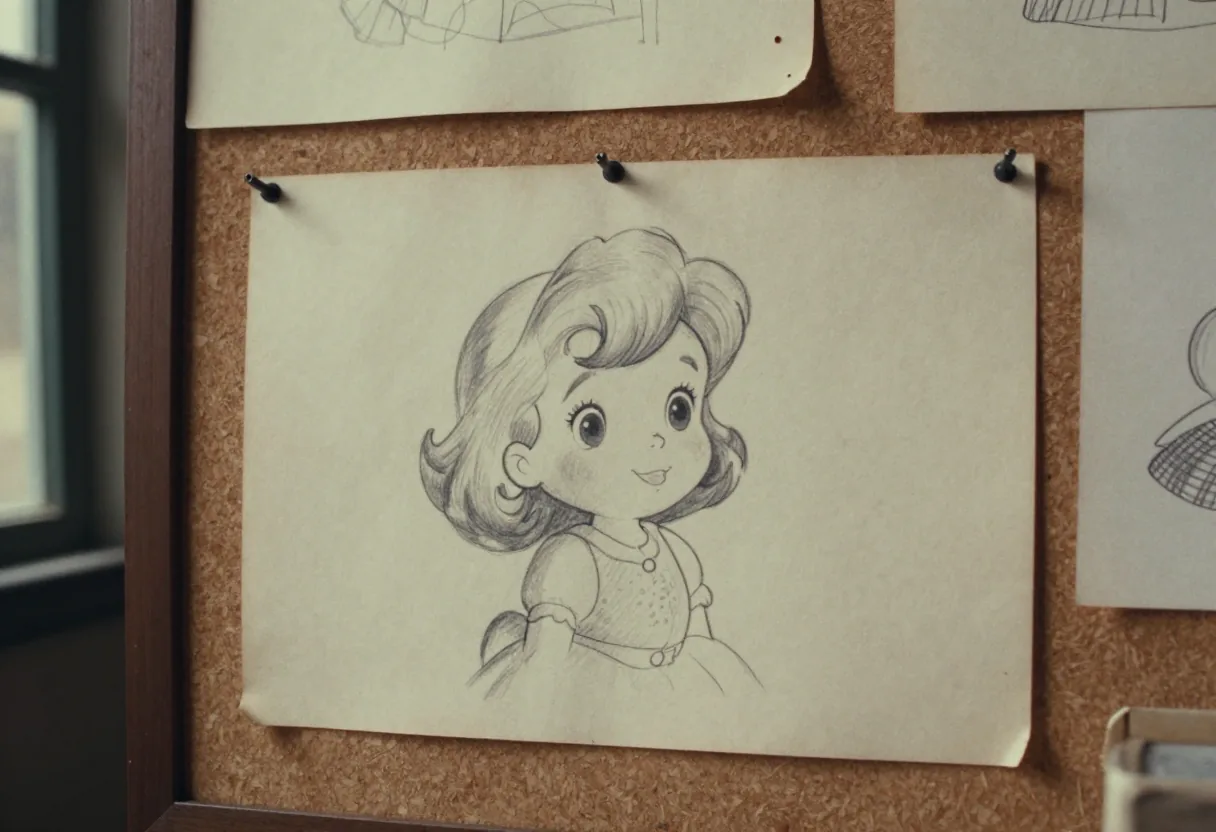
Characters like Betty Boop, with her large eyes and playful demeanor, embody the charm and appeal of vintage animation. The first animation in history may have been simple, but vintage animation history is filled with iconic cute female cartoon characters. The design of these characters often includes exaggerated features, such as large eyes and soft, rounded shapes, which evoke a sense of innocence and affection. According to the Animation World Network, the appeal of cute female cartoon characters lies in their ability to connect with audiences on an emotional level.
Designers of cute female cartoon characters often draw inspiration from real-life women, incorporating elements of fashion and beauty into their designs. The use of vibrant colors and expressive animations further enhances the appeal of these characters. The design process typically involves creating sketches, refining the character’s features, and developing a unique personality. According to the Character Design Studio, the key to designing a successful cute female cartoon character is capturing a balance between innocence and charm.
These characters often embody qualities that resonate with audiences, such as bravery, kindness, and determination. The appeal of cute female cartoon characters extends beyond their design. The first animation in history may have been simple, but vintage animation history has seen the evolution of these characters into complex, multi-dimensional figures. The appeal of cute female cartoon characters lies in their ability to inspire and entertain audiences of all ages.
Evolution of cute female cartoon characters
The evolution of cute female cartoon characters reflects broader trends in animation and society.
Early characters like Betty Boop embodied the flapper culture of the 1920s and 1930s, with their playful and rebellious personalities. The first animation in history may have been simple, but vintage animation history has seen the evolution of cute female cartoon characters from simple, one-dimensional figures to complex, multi-dimensional characters. According to the Animation Art Conservation, the evolution of these characters reflects broader trends in animation and society.
The 1950s and 1960s saw the introduction of characters like Daisy Duck, who embodied the ideals of femininity and grace. The 1980s and 1990s brought a new wave of cute female cartoon characters, such as She-Ra and the Princesses of Power, who combined strength and beauty. According to the Animation History Database, the evolution of cute female cartoon characters continues to reflect changing societal norms and values.
Contemporary cute female cartoon characters, like Elsa from Frozen and Moana from MoanaThese characters frequently defy stereotypes and question conventional gender roles, mirroring contemporary audience values. The development of appealing female cartoon figures showcases animation’s ability to captivate and motivate viewers globally.
In my experience, the evolution of cute female cartoon characters has been a journey of innovation and creativity, reflecting changing times. From the simple drawings of the early 1900s to the complex, multi-dimensional characters of today, these characters have left a lasting mark on animation.
Examining the history and evolution of cute female cartoon characters offers valuable insights into broader trends and developments in animation. Early animations may have been simple, but vintage animation history shows these characters evolving into symbols of creativity, innovation, and cultural significance. As we continue to explore animation, the legacy of cute female cartoon characters will undoubtedly inspire future generations of animators and artists.
Frequently asked questions
What makes a female cartoon character 'cute'?
Cute characters often feature exaggerated, childlike features like large eyes, small noses, and round faces. Think of Hello Kitty's minimalist design or Pikachu's cheerful expression. These traits trigger our nurturing instincts, a psychological response known as 'kindchenschema.'
How do designers balance cute and relatable in female cartoon characters?
Designers add depth by giving characters distinct personalities and flaws. For example, Sailor Moon's optimism and clumsiness make her endearing. Characters like Mabel Pines from 'Gravity Falls' combine cuteness with wit, making them relatable to diverse audiences.
What role does color play in designing cute female cartoon characters?
Bright, pastel colors dominate cute character designs. Strawberry Shortcake's pink palette and Peppa Pig's blue are instantly recognizable. These colors evoke happiness and friendliness, enhancing the character's appeal.
Why are cute female cartoon characters popular across different cultures?
Cuteness is a universal language. Characters like Totoro from Japan or Mirta from Mexico resonate globally because they tap into shared human emotions. Their designs often simplify cultural elements, making them accessible and beloved worldwide.
Frequently asked questions (in practice)
Which cute female cartoon character first appeared in the 1940s?
Betty Boop debuted in 1930 but gained iconic status in the 1940s. With her signature flapper style, big eyes, and playful personality, she remains a beloved figure in animation history. Her character blends humor and charm, making her a timeless favorite.
What makes Hello Kitty distinct among cute female cartoon characters?
Hello Kitty, created in 1974, leads due to her simple red bow and lack of a mouth, symbolizing universal appeal. Designed by Yuko Shimizu, her minimalist design contrasts with more detailed characters, emphasizing her cute, silent charm.
How did Sailor Moon influence the portrayal of cute female cartoon characters?
Naoko Takeuchi's Sailor Moon, launched in 1991, redefined cute with its blend of action and magical girl aesthetics. The series popularized the "moe" style, emphasizing large eyes and vibrant outfits, inspiring countless characters in anime and beyond.
Which modern cute female cartoon character has a strong fanbase in the West?
Strawberry Shortcake, revived in 2003, maintains a strong Western fanbase. Her sweet, fruity aesthetic and positive messages resonate with audiences, proving that classic cute designs remain popular even decades after their inception.