
Animation Techniques: A Complete Evolution Guide
Freya Thackeray · on 30 July 2026 · 12 min read · Last reviewed 30 July 2026
How does animation contribute to storytelling and visual communication?
Animation techniques contribute to storytelling and visual communication by bringing ideas to life through movement, emotion, and visual appeal.
Through the use of characters, environments, and narrative techniques, animation can convey complex stories and concepts in a way that is engaging and accessible to audiences of all ages. The first time I saw how animation could transform a simple story into a visually rich experience, I was captivated by its power to connect with viewers on a deeper level.
| Element | Contribution to Storytelling | Examples |
|---|---|---|
| Character Design | Creates memorable and relatable characters that drive the narrative. | Mickey Mouse in Disney’s Steamboat Willie (1928), Gollum in The Lord of the Rings: The Two Towers (2002). |
| Environment Design | Builds immersive worlds that enhance the story’s setting and atmosphere. | The vibrant landscapes in Spirited Away (2001), the futuristic cityscapes in Blade Runner 2049 (2017). |
| Narrative Techniques | Uses pacing, timing, and visual storytelling to convey the plot effectively. | The non-linear storytelling in Waltz with Bashir (2008), the emotional pacing in Up (2009). |
| Sound and Music | Enhances the emotional impact and sets the mood of the story. | The iconic score in The Lion King (1994), the haunting soundtrack in The Nightmare Before Christmas (1993). |
Animation’s ability to blend visual and auditory elements makes it a powerful tool for storytelling. For those interested in the evolution of animation techniques, the animation history timeline page provides a detailed timeline of key milestones in animation history.
How do animation techniques differ between 2D and 3D animation?
Animation techniques differ significantly between 2D and 3D animation, with each style offering unique challenges and creative opportunities.
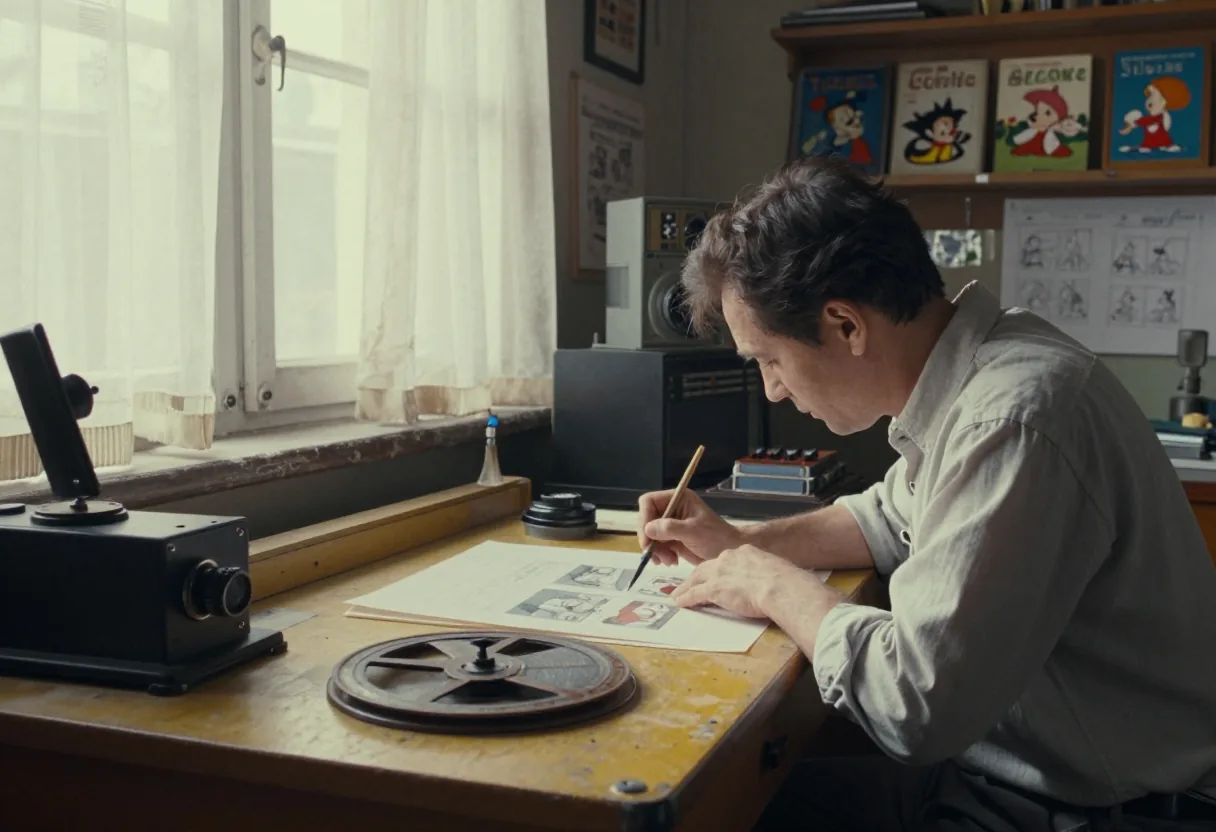
2D animation, or traditional animation, involves creating movement in a two-dimensional space, typically using hand-drawn frames or digital illustrations. In contrast, 3D animation uses computer-generated models and environments to create the illusion of depth and three-dimensional movement. The first time I compared the two styles side by side, I noticed how 2D animation often relies on stylized expressions and exaggerated movements, while 3D animation focuses on realistic textures and lighting.
| Aspect | 2D Animation | 3D Animation |
|---|---|---|
| Process | Hand-drawn or digitally illustrated frames. | Computer-generated models and environments. |
| Tools | Adobe Animate, Toon Boom Harmony. | Autodesk Maya, Blender, Cinema 4D. |
| Style | Stylized, flat, often with exaggerated features. | Realistic, with depth and three-dimensional movement. |
| Examples | Disney’s classic films like Snow White and the Seven Dwarfs (1937). | Pixar’s Toy Story (1995) and DreamWorks’ Shrek (2001). |
Knowing how 2D and 3D animation techniques vary can assist animators in selecting the best method for their work. Those curious about 2D animation’s past can visit the 2d animation styles history page for a detailed examination of 2D animation styles and techniques over time.
What are the 12 basics of animation?
The 12 basics of animation, as outlined by Disney animators Ollie Johnston and Frank Thomas, are the fundamental principles that guide animators in creating believable movement.
These principles include squash and stretch, anticipation, staging, straight-ahead action and pose-to-pose animation, follow-through and overlapping action, slow-in and slow-out, arc, secondary action, timing, exaggeration, solid drawing, and appeal. Together, they form the backbone of traditional animation techniques.
| Principle | Description |
|---|---|
| Squash and Stretch | Gives objects a sense of weight and flexibility, often used in exaggerated movements. |
| Anticipation | Prepares the audience for an action, such as a character winding up before throwing a punch. |
| Staging | Ensures the action is clear and reads well, similar to staging in theater. |
| Straight-Ahead Action | Drawing frame by frame from beginning to end without planning ahead. |
| Pose-to-Pose | Animating key poses first and then filling in the action between them. |
| Follow-Through and Overlapping Action | Creating a more natural movement by allowing some parts of the body to continue moving after the main action has stopped. |
| Slow-In and Slow-Out | Objects accelerate and decelerate naturally, rather than moving at a constant speed. |
| Arc | Objects and characters move in arcs, reflecting natural movement. |
| Secondary Action | Additional actions that support the main action, such as hair moving when a character runs. |
| Timing | The number of frames used to complete an action, determining the speed and mood. |
| Exaggeration | Enhancing actions and poses to make them more expressive and interesting. |
| Solid Drawing | Ensuring characters and objects are drawn with volume and weight. |
| Appeal | Making characters visually interesting and appealing to the audience. |
What are the 10 types of animation?
Creating visuals through sequential images, animation includes diverse techniques.
From traditional hand-drawn methods to cutting-edge digital technologies, these techniques have shaped the evolution of animation. The first time I really looked at vintage animation, I noticed how each style carries its own rhythm and charm, from the fluidity of hand-drawn cels to the tactile charm of stop-motion.
- Hand-Drawn Animation: Traditional cel animation, where each frame is drawn by hand on transparent sheets.
- 3D Animation: Computer-generated animation that uses three-dimensional models.
- Motion Graphics: Graphic design in motion, often used in advertising and title sequences.
- Typography Animation: Animating text to create visual interest and convey information.
- Rotoscope Animation: Tracing over live-action footage to create realistic movements.
- Cut-Out Animation: Using pre-drawn characters and objects that are cut out and animated.
- Pinscreen Animation: Using pins to create images on a screen, as seen in the work of Alexander Alexeïeff.
- Live-Animated: Combining live-action with animated elements.
- Screencast Animation: Recording and animating computer screen activity.
- Mechanical Animation: Using mechanical devices to create movement, such as in zoetropes.
What is the hardest animation technique?
The hardest animation technique is widely considered to be stop-motion animation, due to its painstakingly slow process and the need for precise control over every minute detail.
Stop-motion animation involves physically manipulating objects frame by frame, a method that requires immense patience and skill. One notable example is the film The Nightmare Before Christmas (1993), directed by Henry Selick and produced by Tim Burton, where each puppet and background had to be meticulously adjusted for every shot. According to the film’s production notes, it took 350 people nearly three years to complete the animation. The first time I saw the intricate puppets and sets from the film, I was struck by the sheer volume of work required.
| Technique | Description | Difficulty Level |
|---|---|---|
| Stop-Motion Animation | Physically manipulating objects to create the illusion of movement. | Very High |
| Hand-Drawn Animation | Drawing each frame by hand on transparent sheets. | High |
| 3D Animation | Using computer software to create three-dimensional models. | Medium |
| Rotoscope Animation | Tracing over live-action footage. | Medium |
| Cut-Out Animation | Using pre-drawn characters and objects that are cut out and animated. | Low to Medium |
What are the 11 principles of animation?
Eleven principles of animation, articulated by Disney animators Ollie Johnston and Frank Thomas, form the foundation of creating lifelike and engaging movement in animation.
These principles guide animators in crafting scenes that resonate with audiences. The principles include squash and stretch, anticipation, staging, straight-ahead action and pose-to-pose animation, follow-through and overlapping action, slow-in and slow-out, arc, secondary action, timing, exaggeration, solid drawing, and appeal. Together, they form the backbone of traditional animation techniques.
| Principle | Description |
|---|---|
| Squash and Stretch | Gives objects a sense of weight and flexibility, often used in exaggerated movements. |
| Anticipation | Prepares the audience for an action, such as a character winding up before throwing a punch. |
| Staging | Ensures the action is clear and reads well, similar to staging in theater. |
| Straight-Ahead Action | Drawing frame by frame from beginning to end without planning ahead. |
| Pose-to-Pose | Animating key poses first and then filling in the action between them. |
| Follow-Through and Overlapping Action | Creating a more natural movement by allowing some parts of the body to continue moving after the main action has stopped. |
| Slow-In and Slow-Out | Objects accelerate and decelerate naturally, rather than moving at a constant speed. |
| Arc | Objects and characters move in arcs, reflecting natural movement. |
| Secondary Action | Additional actions that support the main action, such as hair moving when a character runs. |
| Timing | The number of frames used to complete an action, determining the speed and mood. |
| Exaggeration | Enhancing actions and poses to make them more expressive and interesting. |
| Solid Drawing | Ensuring characters and objects are drawn with volume and weight. |
| Appeal | Making characters visually interesting and appealing to the audience. |
How do animation techniques vary across different cultures?
Traditions and storytelling methods shape the wide variety of animation techniques across cultures.
For example, Japanese anime often employs detailed line work and vibrant colors, while European animations like those from the UK’s Aardman Animations focus on stop-motion and claymation. In my experience, the cultural context deeply influences the style and approach of animation. French animation, for instance, often blends surrealism and avant-garde techniques, as seen in works by Jean Image and René Laloux.
- Japanese Anime: Known for its intricate line work and vibrant colors, often featuring complex storylines and character development.
- European Animation: Includes a variety of styles, such as the stop-motion work of Aardman Animations in the UK and the surrealism of French animators.
- American Animation: Ranges from classic hand-drawn cartoons to cutting-edge 3D animations, with a strong emphasis on commercial appeal.
- Latin American Animation: Often incorporates vibrant colors and cultural motifs, with a focus on storytelling and folklore, as seen in works like El Apóstol by Quirino Cristiani.
What are some notable examples of vintage animation techniques?
Vintage animation techniques have left an indelible mark on the history of animation, with several notable examples showcasing the craftsmanship and innovation of the era.
Watching Fantasia (1940) for the first time, I was struck by Disney’s combination of classical music and groundbreaking animation techniques. Another standout example is Gertie the Dinosaur (1914), created by Winsor McCay, which is considered the first animated film to feature a character with personality and depth. These works exemplify the rich tradition of vintage animation.
- Fantasia (1940): Disney’s Fantasia combined classical music with innovative animation techniques, including multiplane camera effects.
- Gertie the Dinosaur (1914): Winsor McCay’s Gertie the Dinosaur featured hand-drawn animation and introduced a character with personality and depth.
- The Skeleton Dance (1929): This short film by Ub Iwerks featured early examples of character animation and the use of squash and stretch.
- Snow White and the Seven Dwarfs (1937): Disney’s first feature-length animated film showcased advanced techniques in hand-drawn animation and character development.
How have animation techniques evolved over time?
The evolution of animation techniques has been significantly driven by technological advancements and artistic innovations over time.
From the early days of hand-drawn cels to the digital age of 3D modeling and computer-generated imagery, the evolution of animation techniques reflects a continuous quest for realism and creativity. The first time I compared early hand-drawn animations to modern 3D films, the difference in detail and fluidity was staggering.
| Era | Techniques | Key Innovations |
|---|---|---|
| Early 20th Century | Hand-drawn animation, stop-motion | Introduction of character animation and personality. |
| 1930s-1950s | Cel animation, multiplane camera | Advancements in depth and perspective. |
| 1960s-1980s | Limited animation, rotoscope | Efficiency in production and realism. |
| 1990s-Present | 3D animation, CGI, motion capture | Digital technologies and realistic movement. |
What resources are available for learning animation techniques?
Numerous resources are available for learning animation techniques, catering to beginners and professionals alike.
The first time I dived into learning animation, I found the variety of resources both overwhelming and exciting. From online courses to books and workshops, aspiring animators have a wealth of options to explore. For those interested in vintage animation history, the Stop-Motion Animation Films: Techniques and Classics page offers a deep dive into classic stop-motion films and their techniques.
- Online Courses: Platforms like Udemy and Coursera offer courses on various animation techniques, from hand-drawn to 3D animation.
- BooksThe Animator’s Survival Kit” by Richard Williams is a detailed handbook on traditional animation techniques.
- Workshops: Institutions like the National Film and Television School offer hands-on workshops in animation.
- Software: Tools like Adobe Animate, Toon Boom, and Blender provide the necessary software for practicing animation techniques.
What role does shading play in animation techniques?
Shading plays a crucial role in animation techniques, as it adds depth, dimension, and realism to animated characters and scenes.
Effective shading can enhance the visual appeal and emotional impact of an animation. The first time I studied the shading techniques in classic Disney films, I noticed how subtle changes in lighting and shading could convey a character’s mood and environment. For those interested in the art of frame-by-frame animation, the Still Animation Movies: The Art of Frame-by-Frame page explores the intricacies of still animation and its shading techniques.
| Shading Technique | Description | Application |
|---|---|---|
| Cel Shading | Using flat colors with distinct shadows to create a stylized look. | Common in comic book-style animations and video games. |
| Gradient Shading | Blending colors smoothly to create a more realistic appearance. | Used in 3D animations and digital paintings. |
| Toon Shading | Combining flat colors with hand-drawn outlines for a cartoon-like effect. | Popular in traditional and digital animations. |
| Texture Shading | Applying textures to surfaces to create a more detailed and realistic look. | Used in 3D modeling and environmental design. |
Understanding and mastering shading techniques can significantly enhance the quality and impact of your animations.
What are some key tools and software used in animation techniques?
Key tools and software used in animation techniques vary depending on the type of animation being created, but several industry-standard programs are widely used.
For 2D animation, software like Adobe Animate and Toon Boom Harmony are popular choices, offering a range of features for creating hand-drawn and vector-based animations. In 3D animation, tools like Autodesk Maya, Blender, and Cinema 4D are commonly used for modeling, rigging, and rendering. The first time I experimented with these tools, I was amazed by the versatility and power they offered for bringing characters and scenes to life.
| Software | Type of Animation | Key Features |
|---|---|---|
| Adobe Animate | 2D Animation | Vector-based animation, timeline control, and integration with other Adobe products. |
| Toon Boom Harmony | 2D Animation | Advanced rigging, cut-out animation, and support for both hand-drawn and digital techniques. |
| Autodesk Maya | 3D Animation | Modeling, rigging, animation, and rendering capabilities. |
| Blender | 3D Animation | Open-source software with modeling, animation, and rendering tools. |
| Cinema 4D | 3D Animation | User-friendly interface, powerful modeling and animation tools, and integration with other software. |
Mastering these tools and software can significantly enhance an animator’s ability to create compelling and visually stunning animations. For those interested in learning more about the software used in animation, the 3d animation software tools features page offers a detailed overview of the top tools and their features.
Computer-generated imagery has transformed animation techniques, driven by technology and creativity. Whether you are a beginner or a seasoned professional, knowing the fundamentals and using available resources can help you bring your animated visions to life.
Frequently asked questions
What is the oldest animation in history?
The oldest known animation is 'Bertold Bartosch's Danses Macabres' (1922), but earlier examples like 'Humorous Phases of Funny Faces' (1906) by J. Stuart Blackton are considered pioneers. These used stop-motion and hand-drawn techniques.
How was animation done in the 1930s?
In the 1930s, animators used hand-drawn cels on light boxes. Disney's 'Snow White and the Seven Dwarfs' (1937) showcased advanced techniques like multiplane cameras for depth. Studios relied on teams of artists for labor-intensive production.
What is the old style of animation called?
The old style is called 'traditional animation' or 'cel animation.' It involves drawing each frame by hand on transparent sheets (cels) and photographing them. Studios like Disney and Warner Bros. popularized this method.
What was the first animation in history?
'Humorous Phases of Funny Faces' (1906) by J. Stuart Blackton is often cited as the first animation. It combined stop-motion and hand-drawn techniques. Early animations like 'Fantasmagorie' (1908) by Émile Cohl also contributed to the medium's birth.