
Famous Cartoon Women: Trailblazers in Animation
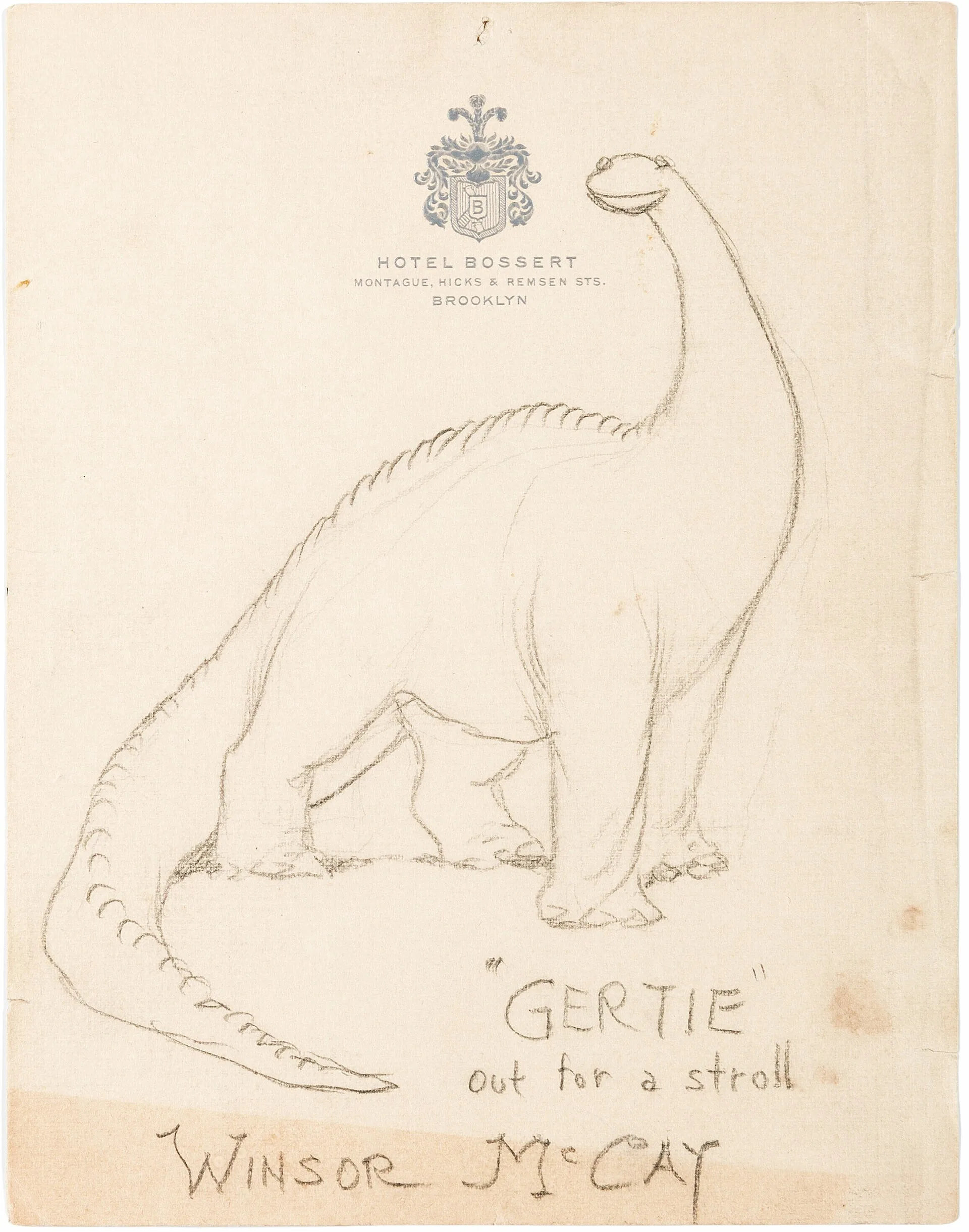
Freya Thackeray · on 30 July 2026 · 10 min read · Last reviewed 30 July 2026
Famous cartoon women are groundbreaking characters in vintage animation history, from early animated shorts to the Golden Age of cartoons.
These trailblazing figures shaped the industry, breaking barriers and setting new standards for female representation in animation.
- The earliest known animated film, “Humorous Phases of Funny Faces” (1906), was created by J. Stuart Blackton.
- Disney’s “Snow White and the Seven Dwarfs” (1937) was the first full-length animated feature produced in America.
- Looney Tunes, a Warner Bros. series, introduced iconic female characters like Lola Bunny and Granny.
- The Golden Age of Animation (1920s-1960s) saw the rise of major studios like Disney, Fleischer, and Warner Bros.
What is the oldest animation in history?
The oldest known animation is “Humorous Phases of Funny Faces,” a 1906 film by J. Stuart Blackton, which featured hand-drawn cartoons on a blackboard.
This short film, created using stop-motion techniques, laid the foundation for modern animation. The film’s blend of live-action and animation was innovative for its time, showcasing Blackton’s ability to manipulate drawings in a way that appeared fluid and lifelike. This early experiment in animation demonstrated the potential of the medium and inspired future animators to explore the art form further.
How was animation done in the 1930s?
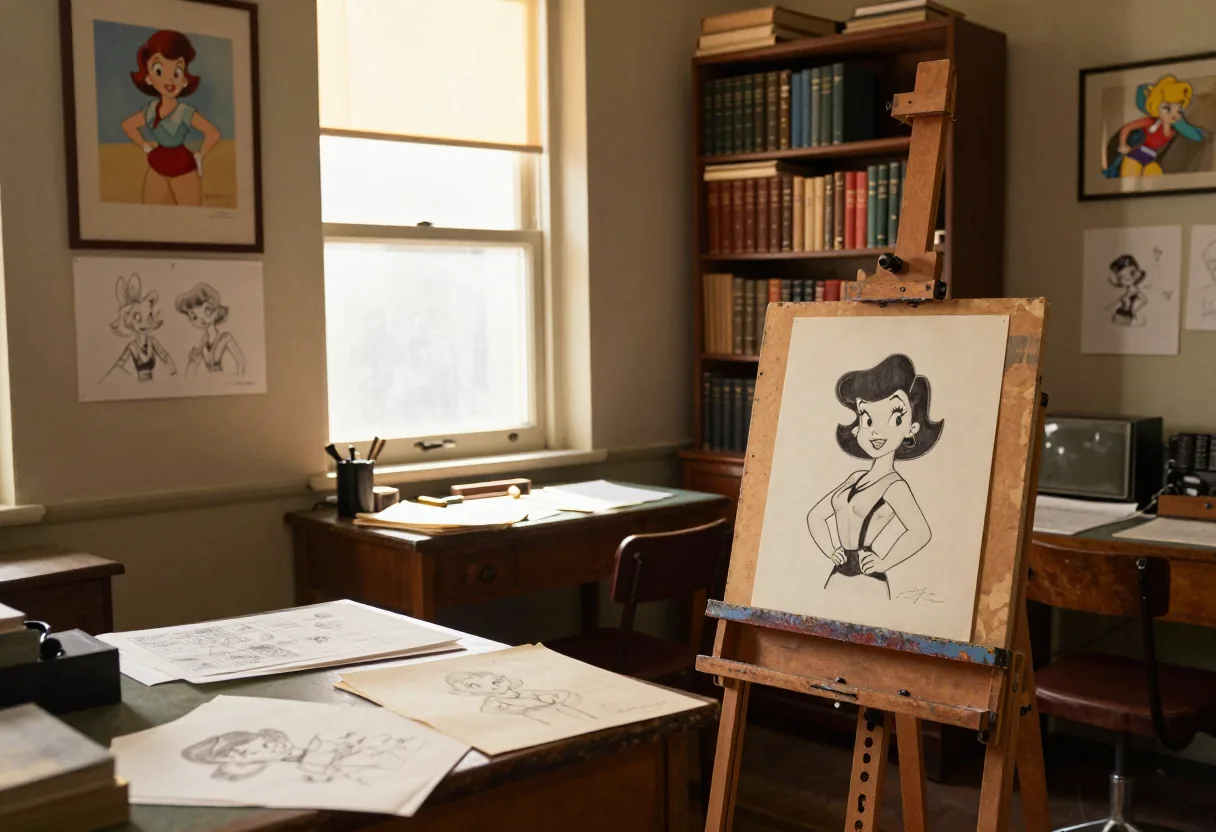
Animation in the 1930s relied on traditional hand-drawn techniques, where artists created each frame on transparent celluloid sheets, known as cels.
The process involved drawing the background on a large sheet of paper, then placing cels over the background and animating the characters frame by frame. Inks and paints specifically designed for animation were used to ensure vibrant and long-lasting colors. Studios like Disney perfected this method, producing iconic films like “Snow White and the Seven Dwarfs” (1937). The use of the multiplane camera, which allowed for layered backgrounds and a sense of depth, was a significant advancement during this period.
What is the old style of animation called?
Old style animation is often referred to as traditional or hand-drawn.
This technique involves creating each frame by hand on paper or celluloid sheets. Traditional animation was the primary method used during the Golden Age of Animation, which spanned from the 1920s to the 1960s. Studios like Disney, Fleischer, and Warner Bros. produced some of the most iconic cartoons of this era, including “Steamboat Willie” (1928) and “Betty Boop” cartoons. The meticulous process of hand-drawing each frame required a team of artists, including animators, in-betweeners, and background artists, to bring the characters and scenes to life.
What was the first animation in history?
Humorous Phases of Funny Faces” (1906) by J. Stuart Blackton marked the first animation in history. Stuart Blackton.
The film featured a cartoonist drawing faces on a blackboard, which then came to life and interacted with each other. This groundbreaking film combined live-action with hand-drawn animation, showcasing Blackton’s innovative techniques. Blackton’s use of stop-motion and frame-by-frame animation set the stage for future developments in the field. The film’s success demonstrated the potential of animation as a storytelling medium and inspired other filmmakers to explore the art form further.
Vintage animation history timeline
Vintage animation history timeline begins with early experiments in the late 19th century and continues through the Golden Age of Animation.
Key milestones include the creation of “Humorous Phases of Funny Faces” (1906) by J. Stuart Blackton, the introduction of sound in animation with “Steamboat Willie” (1928) by Walt Disney, and the release of the first full-length animated feature, “Snow White and the Seven Dwarfs” (1937). The timeline also includes the rise of major studios like Disney, Fleischer, and Warner Bros., which produced iconic cartoons and pushed the boundaries of animation techniques.
History of animation timeline
Animation history timeline spans over a century, beginning with early experiments in the late 19th century.
Stuart Blackton, the introduction of sound in animation with “Steamboat Willie” (1928), and the release of the first full-length animated feature, “Snow White and the Seven Dwarfs” (1937). This timeline includes the creation of the first animated film, “Humorous Phases of Funny Faces” (1906), by J. The timeline also highlights the contributions of major studios like Disney, Fleischer, and Warner Bros., which produced iconic cartoons and pioneered new animation techniques. The history of animation is marked by continuous innovation and the evolution of storytelling through visual media.
Vintage animation history facts
Vintage animation history is filled with fascinating facts that highlight the evolution of the medium.
For instance, the first animated film, “Humorous Phases of Funny Faces” (1906), was created by J. Stuart Blackton, who used a combination of live-action and hand-drawn animation. The introduction of sound in animation with “Steamboat Willie” (1928) revolutionized the industry, allowing for synchronized sound and music. Another notable fact is that the first full-length animated feature, “Snow White and the Seven Dwarfs” (1937), took three years to complete and required the work of over 750 artists. These facts illustrate the groundbreaking achievements and the meticulous processes involved in early animation.
Old classic cartoons list
Old classic cartoons include iconic series and films that have left a lasting impact on the animation industry.
Some notable examples are “Looney Tunes” and “Merrie Melodies” by Warner Bros., featuring characters like Bugs Bunny and Daffy Duck; “Tom and Jerry” by Hanna-Barbera; and “The Flintstones” by Fred Flintstone. These cartoons showcased innovative animation techniques, memorable characters, and engaging storytelling, making them timeless classics. The influence of these cartoons can still be seen in modern animation, as they set the standard for humor, action, and character development.
Early history of animation
Pioneers like J. Stuart Blackton began looking at animation’s early history in the late 19th century. Stuart Blackton began experimenting with moving images.
Blackton’s “Humorous Phases of Funny Faces” (1906) is considered the first animated film, combining live-action with hand-drawn animation. The early history of animation also includes the work of Émile Cohl, a French animator who created “Fantasmagorie” (1908), one of the earliest fully animated films. These early experiments laid the foundation for the development of animation as a distinct art form. The early history of animation is characterized by innovation and the exploration of new techniques, setting the stage for the Golden Age of Animation.
Golden age of cartoons 2000s
The Golden Age of Cartoons, while traditionally associated with the 1920s-1960s, saw a revival in the 2000s with a renewed interest in classic animation styles.
Additionally, television series like “Adventure Time” (2010) and “Gravity Falls” (2012) revived the spirit of classic cartoons with their unique storytelling and animation styles. This era saw the release of films like “The Incredibles” (2004) by Pixar, which blended traditional animation techniques with modern technology. The 2000s also saw the rise of digital animation tools, allowing animators to create more complex and detailed animations while still paying homage to the traditional techniques of the Golden Age.
Major studios
Major studios played a crucial role in the development of vintage animation history, producing some of the most iconic cartoons and films.
Walt Disney Productions, founded by Walt Disney, is known for its groundbreaking animated features like “Snow White and the Seven Dwarfs” (1937) and “Fantasia” (1940). Fleischer Studios, founded by Max and Dave Fleischer, produced the “Popeye” and “Betty Boop” cartoons, which were popular during the Golden Age of Animation. Warner Bros., through its Looney Tunes and Merrie Melodies series, introduced characters like Bugs Bunny and Daffy Duck, who became cultural icons. These major studios pioneered new animation techniques and set the standards for the industry.
Walt Disney Productions
Walt Disney Productions, founded in 1923 by Walt Disney and Roy O. Disney, is one of the most influential major studios in vintage animation history.
Disney’s “Snow White and the Seven Dwarfs” (1937) was the first full-length animated feature produced in America, revolutionizing the industry. The studio’s first major success was the “Oswald the Lucky Rabbit” series, followed by the creation of Mickey Mouse in “Steamboat Willie” (1928). The studio continued to innovate with films like “Fantasia” (1940) and “Bambi” (1942), showcasing advanced animation techniques and storytelling. Walt Disney Productions set the standard for animated features and remains a leading force in the animation industry.
Beginnings
Stuart Blackton began experimenting with moving images. The beginnings of vintage animation history can be traced back to the late 19th century, when pioneers like J.
Blackton’s “Humorous Phases of Funny Faces” (1906) is considered the first animated film, combining live-action with hand-drawn animation. The beginnings of animation also include the work of Émile Cohl, a French animator who created “Fantasmagorie” (1908), one of the earliest fully animated films. These early experiments laid the foundation for the development of animation as a distinct art form. The beginnings of animation are characterized by innovation and the exploration of new techniques, setting the stage for the Golden Age of Animation.
Mickey Mouse
Mickey Mouse, created by Walt Disney, is one of the most iconic characters in vintage animation history.
Mickey made his debut in “Steamboat Willie” (1928), the first synchronized sound cartoon, which transformed the animation industry. Mickey Mouse’s cheerful personality and distinctive design made him an instant hit with audiences. The character’s popularity led to the creation of numerous shorts, feature films, and merchandise, solidifying Mickey’s status as a cultural icon. Mickey Mouse’s enduring appeal demonstrates the timeless quality of classic animation and the vision of Walt Disney.
The Golden Age of Disney
The Golden Age of Disney, spanning from the late 1920s to the early 1960s, was a period of unprecedented innovation and success for the studio.
The Golden Age of Disney is characterized by the studio’s pioneering use of new animation techniques, such as the multiplane camera, which created a sense of depth and realism. This era saw the release of iconic films like “Snow White and the Seven Dwarfs” (1937), “Pinocchio” (1940), and “Cinderella” (1950). The era also saw the development of beloved characters like Mickey Mouse, Donald Duck, and Goofy, who became cultural icons. The Golden Age of Disney set the standard for animated features and laid the foundation for the studio’s continued success.
Wartime Era of Disney
The Wartime Era of Disney, spanning from the late 1930s to the mid-1940s, was a period during which the studio contributed to the war effort through its animations.
During this time, Disney produced educational and propaganda films for the U.S. government, including “Der Fuehrer’s Face” (1943), which satirized the Nazi regime. The studio also created training films for the military, showcasing its ability to adapt to the needs of the time. Despite the challenges of the era, Disney continued to innovate, releasing films like “Bambi” (1942) and “Saludos Amigos” (1942). The Wartime Era of Disney demonstrated the studio’s commitment to using animation for social and educational purposes.
Paramount Pictures
Paramount Pictures played a significant role in the history of vintage animation, particularly through its association with Fleischer Studios.
Fleischer Studios, established by Max and Dave Fleischer, created the “Popeye” and “Betty Boop” cartoons, released by Paramount. These cartoons stood out for their groundbreaking animation and unforgettable characters, enchanting viewers during the Golden Age of Animation. Paramount’s release of Fleischer Studios’ cartoons boosted the fame of these beloved characters and secured their legacy in animation history. The partnership between Paramount Pictures and Fleischer Studios showcased animation’s potential as a storytelling art form.
Fleischer Studios
Fleischer Studios, founded by Max and Dave Fleischer in the early 1920s, was a major player in the vintage animation industry.
Fleischer Studios pioneered several animation techniques, including the use of the Rotoscope to trace live-action footage for more realistic movement. The studio is best known for its “Popeye” and “Betty Boop” cartoons, which were distributed by Paramount Pictures. The studio’s innovative approach to animation and memorable characters made it a significant contributor to the Golden Age of Animation. Fleischer Studios’ work continues to influence animators and storytellers today, showcasing the enduring legacy of classic animation.
Takeaway
Famous cartoon women have played a pivotal role in shaping vintage animation history, breaking barriers, and setting new standards for female representation in the industry.
Frequently asked questions
Who was the first female cartoon character with her own series?
Betty Boop premiered in 1930 in the Talkartoon series, becoming the first female cartoon character to star in her own show. Created by Max Fleischer, Betty Boop’s flapper style and distinctive voice made her an iconic figure in early animation, challenging gender norms of the time.
How did Jessica Rabbit from 'Who Framed Roger Rabbit' redefine female characters?
Jessica Rabbit, introduced in 1988, broke molds with her confident sexuality and independence. Her famous line, 'I'm not bad, I'm just drawn that way,' highlighted the tension between her animated appearance and her self-awareness, making her a complex, memorable character.
What makes Mulan a groundbreaking animated heroine?
Mulan, from Disney’s 1998 film, defied traditional princess tropes by focusing on bravery and self-sacrifice. Her storyline, based on the Chinese legend of Hua Mulan, showcased her as a warrior who saved her country, offering a powerful narrative about honor and identity.
How did Lois Griffin from 'Family Guy' challenge conventional female portrayals?
Lois Griffin, debuting in 1999, subverted stereotypes with her intelligence and strength. Despite the show’s satire, Lois often outsmarted her husband, Peter, and managed the Griffin household with competence, making her a standout in adult animation.
Frequently asked questions (in practice)
Who was the first cartoon woman to star in her own animated series?
The first cartoon woman to star in her own animated series was Betty Boop in 1930. Created by Max Fleischer, she debuted in 'Dizzy Dishes' and quickly became an iconic figure, known for her flapper style and playful personality. Betty Boop's series was groundbreaking, paving the way for future female-led animated shows.
Which cartoon woman holds the record for the most Emmy Awards?
Marjorie Tompkins, from 'The Flintstones,' holds the record for the most Emmy Awards won by a cartoon woman. Voiced by Bea Benaderet, Marjorie was a beloved character, and the show itself won multiple Emmys, including Outstanding Comedy Series. Her portrayal remains a benchmark for animated female characters.
What makes Jessica Rabbit from 'Who Framed Roger Rabbit' a unique character?
Jessica Rabbit, voiced by Kathleen Turner, is unique for her complex personality and striking design. Unlike traditional cartoon women, she embodies sophistication and confidence, famously declaring, 'I'm not bad, I'm just drawn that way.' Her character subverts expectations and remains one of the most memorable animated women.
How did Wonder Woman's animated series influence female representation in cartoons?
Wonder Woman's 1970s animated series significantly influenced female representation in cartoons. It showcased a strong, independent heroine who fought for justice and equality. The series inspired future generations of cartoon women, demonstrating that female characters could be both powerful and relatable, setting a new standard for animation.
Related Reading
- Software for Animation: Tools That Shaped the Industry
- Cute Female Cartoon Characters: Design and Appeal
- Still Animation Movies: The Art of Frame-by-Frame
- Evolution of Cartoons: How Animation Changed Over Decades