
Game Animation: Bridging Classic Styles and Modern Gaming
Freya Thackeray · on 30 July 2026 · 11 min read · Last reviewed 30 July 2026
Game animation is the process of creating movement and visuals in video games, blending vintage animation history with modern techniques to enhance storytelling and gameplay.
This fusion of classic artistry and cutting-edge technology brings beloved characters to life, from the hand-drawn charm of early Disney films to the pixel-perfect precision of today’s blockbuster titles.
- The oldest known animation is Humorous Phases of Funny Faces (1906), created by J. Stuart Blackton.
- The 1930s saw the rise of cel animation, where artists painted characters onto transparent sheets of celluloid.
- The old style of animation is called traditional animation or hand-drawn animation.
What is the oldest animation in history?
The oldest surviving animation is Humorous Phases of Funny Faces (1906), created by J. Stuart Blackton. This short film used stop-motion and hand-drawn techniques to depict cartoon faces changing expressions. Blackton, a pioneer in early animation, blended chalk drawings with live-action sequences, laying the groundwork for future animators.
Before this, early experiments in motion pictures included The Enchanted Drawing (1900), where Blackton animated a simple sketch. These innovations marked the beginning of animation as an art form, inspiring later works like Gertie the Dinosaur (1914) by Winsor McCay, which featured more complex character movement and storytelling.
How was animation done in the 1930s?
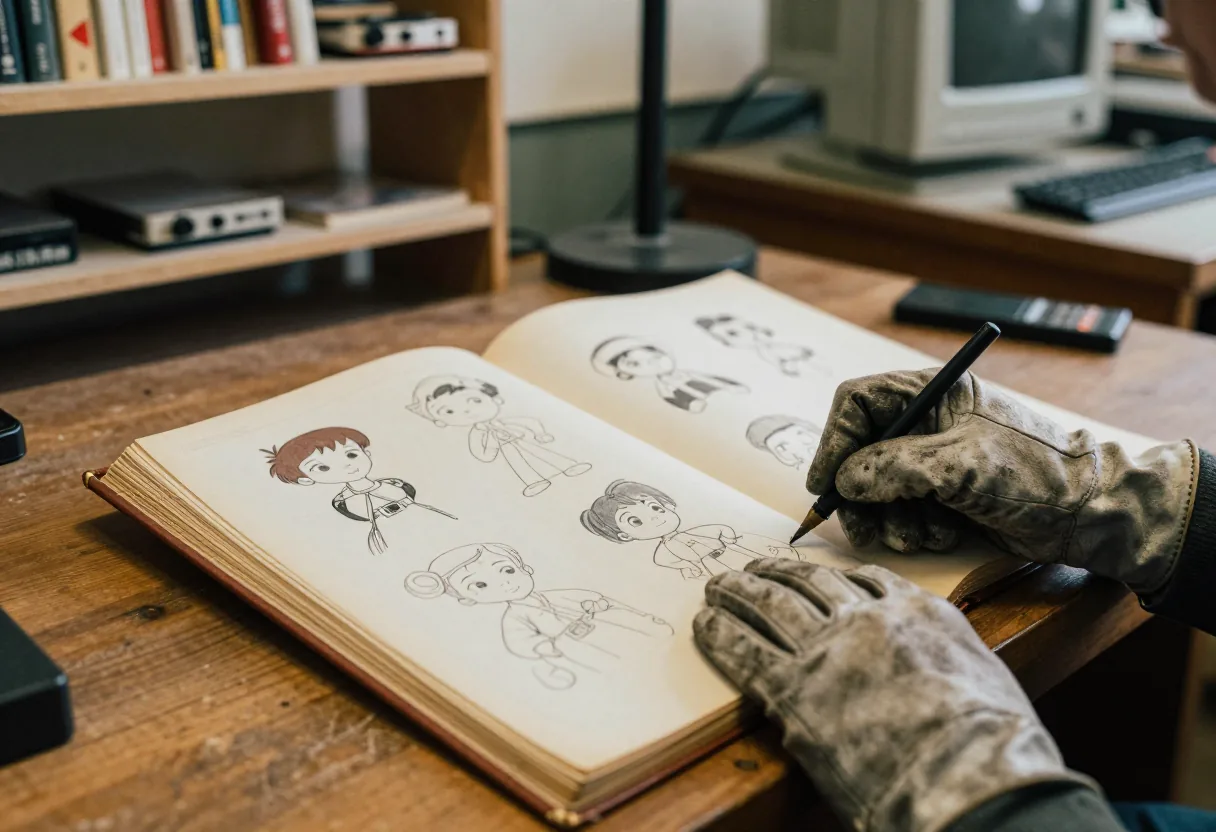
Animation in the 1930s was done using cel animation, a technique where artists drew characters on transparent celluloid sheets. These cels were layered over static backgrounds and photographed frame by frame to create the illusion of movement. This method allowed for smoother, more detailed animations compared to earlier stop-motion techniques.
Studios like Walt Disney Productions and Fleischer Studios refined this process, introducing innovations such as the multiplane camera. This device added depth to animations by moving backgrounds at different speeds, as seen in Disney’s Snow White and the Seven Dwarfs (1937). The 1930s also saw the rise of sound synchronization, with films like Steamboat Willie (1928) featuring synchronized sound tracks.
What is the old style of animation called?
The old style of animation is called traditional animation or hand-drawn animation. This technique involves drawing each frame by hand on paper or celluloid sheets, which are then photographed and played in sequence to create movement. Traditional animation was the dominant form of animation from the early 1900s until the late 20th century, when digital animation began to take over.
Classic examples of traditional animation include Disney’s Snow White and the Seven Dwarfs (1937) and Warner Bros.’ Looney Tunes series. The Golden Age of Animation (1920s-1960s) saw the peak of this style, with studios like Fleischer Studios and Paramount Pictures producing iconic works. Despite its decline in mainstream use, traditional animation remains influential in modern game animation.
What was the first animation in history?
Humorous Phases of Funny Faces (1906), created by J. Stuart Blackton, is often considered the first animation in history. Stuart Blackton. This short film combined stop-motion and hand-drawn techniques to animate chalk-drawn faces, marking a significant step in the development of animation. Blackton’s work paved the way for future animators, demonstrating the potential of moving images to tell stories and entertain audiences.
Early animators like Winsor McCay, known for Gertie the Dinosaur (1914), further refined these techniques, introducing more complex character movements and narratives. These pioneering works laid the foundation for the animation industry, influencing both classic cartoons and modern game animation.
Vintage animation history timeline
Animation’s history is rich with milestones that have shaped the art form. The earliest animations date back to the late 19th century, with pioneers like J. Stuart Blackton and Émile Cohl experimenting with motion pictures. The 1920s and 1930s saw the rise of studios like Walt Disney Productions and Fleischer Studios, which popularized cel animation and introduced iconic characters like Mickey Mouse and Betty Boop.
During the Golden Age of Animation (1920s-1960s), traditional animation flourished, with films like Snow White and the Seven Dwarfs (1937) pushing the boundaries of storytelling and technique. The mid-20th century saw the introduction of television animation, with shows like Looney Tunes and Tom and Jerry becoming household names. The late 20th century brought digital animation, revolutionizing the industry and leading to modern masterpieces like Toy Story (1995).
Early history of animation
Animation’s early history began with simple experiments in motion pictures. J. Stuart Blackton’s Humorous Phases of Funny Faces (1906) is often cited as the first true animation, combining stop-motion and hand-drawn techniques. Émile Cohl’s Fantasmagorie (1908) followed, featuring a stick-figure character in a surreal adventure. These early works demonstrated the potential of animation to create illusions of movement and tell stories.
Winsor McCay’s Gertie the Dinosaur (1914) marked a significant advancement, with its detailed character animation and use of a projected dinosaur as part of the performance. These innovations laid the groundwork for the animation industry, inspiring future animators to explore new techniques and styles.
Golden age of cartoons 2000s
Classic animation styles saw a resurgence in the 2000s, blended with modern digital techniques. This era, often referred to as the Golden Age of Cartoons 2000s, was characterized by a revival of traditional animation principles in both film and video games. Studios like Disney and DreamWorks produced films like The Princess and the Frog (2009) and How to Train Your Dragon (2010), which combined hand-drawn aesthetics with digital tools.
In game animation, titles like Cuphead (2017) paid homage to vintage animation styles, featuring hand-drawn characters and run-and-gun gameplay inspired by 1930s cartoons. This blend of classic and modern techniques has allowed game animators to create visually stunning and emotionally engaging experiences, bridging the gap between past and present.
Major studios
Several major studios have played pivotal roles in the history of animation, shaping the art form and influencing modern game animation. Walt Disney Productions, founded in 1923, is one of the most iconic studios, known for its groundbreaking films like Snow White and the Seven Dwarfs (1937) and Fantasia (1940). Disney’s innovations in storytelling and technique have left a lasting impact on the animation industry.
Fleischer Studios, founded by Max and Dave Fleischer, was another major player in the Golden Age of Animation. Known for the Popeye and Betty Boop series, Fleischer Studios introduced innovations like the Rotoscope, a device that traced live-action footage to create more realistic animations. These techniques have been adapted and refined in modern game animation, enhancing character movement and visual effects.
Walt Disney Productions
Walt Disney Productions, now known as The Walt Disney Company, is renowned for its contributions to animation. Founded in 1923, the studio produced iconic characters like Mickey Mouse and Donald Duck, which became symbols of American pop culture. Disney’s Snow White and the Seven Dwarfs (1937) was the first full-length animated feature film, revolutionizing the industry with its detailed animation and storytelling.
Disney’s studio continued to innovate with films like Fantasia (1940) and The Lion King (1994), blending traditional animation with groundbreaking techniques. Disney’s influence extends to game animation, with titles like Epic Mickey (2010) drawing inspiration from classic Disney characters and aesthetics. The studio’s commitment to quality and innovation has made it a cornerstone of the animation industry.
Paramount Pictures
Paramount Pictures, through its subsidiary Fleischer Studios, played a significant role in the Golden Age of Animation. Fleischer Studios, founded by Max and Dave Fleischer, produced iconic series like Popeye and Betty Boop, which featured innovative techniques like the Rotoscope. These animations were known for their vibrant colors and dynamic movement, setting new standards for the industry.
Paramount Pictures continued to support animation through its partnerships with other studios, producing films like Shrek (2001) and Kung Fu Panda (2008). The studio’s contributions to animation have influenced modern game animation, with titles like Skylanders (2011) featuring characters and styles inspired by classic cartoons. Paramount’s legacy in animation continues to inspire new generations of animators and game designers.
Beginnings: Mickey Mouse and The Golden Age of Disney
Creation of Mickey Mouse by Walt Disney Productions marked the beginnings of modern animation. Mickey Mouse made his debut in Steamboat Willie (1928), the first synchronized sound cartoon, revolutionizing the industry with its innovative use of sound and animation. This short film marked the start of Mickey Mouse’s enduring popularity and cemented Disney’s place as a leader in animation.
These films introduced groundbreaking techniques, such as the multiplane camera, which added depth and realism to animations. The Golden Age of Disney, spanning from the late 1920s to the early 1960s, saw the production of iconic films like Snow White and the Seven Dwarfs (1937), Fantasia (1940), and Cinderella (1950). The Golden Age of Disney laid the foundation for modern animation, influencing both film and game animation.
Wartime Era of Disney
With the outbreak of World War II, Disney shifted its focus to producing propaganda and educational films for the U.S. The Wartime Era of Disney, spanning from the late 1930s to the mid-1940s, was a period of significant change for the studio. government. These films, such as Der Fuehrer’s Face (1943), used animation to convey messages of patriotism and anti-fascism, demonstrating the power of animation as a tool for communication.
Despite the challenges of the war, Disney continued to innovate with films like Bambi (1942) and Victory Through Air Power (1943). These works showcased the studio’s commitment to quality and storytelling, even in difficult times. The Wartime Era of Disney highlighted the versatility of animation, paving the way for its use in modern game animation and other media.
How to study vintage animation history
Start by looking at the works of early animators and studios to learn about vintage animation history. Watch classic films like Snow White and the Seven Dwarfs (1937) and Fantasia (1940) to grasp the techniques and storytelling principles of the Golden Age of Animation. Check out museums and archives that hold historical animation materials, such as the Walt Disney Family Museum in San Francisco.
Read books and articles on the subject, such as The Animators: A History of the Makers of Animated Films by Robert C. Harvey. Attend film festivals and screenings that showcase vintage animations, and participate in online forums and communities dedicated to animation history. These resources will provide a comprehensive understanding of the evolution of animation and its influence on modern game animation.
To deepen your knowledge, take courses or workshops on animation history. Institutions like the CalArts School of Film/Video offer programs that cover the history and techniques of animation. Engage with fellow enthusiasts and professionals to exchange insights and learn about the latest research in the field. By immersing yourself in these resources, you can gain a thorough appreciation of vintage animation history and its impact on modern game animation.
Resources for studying vintage animation history
Several resources are available for studying vintage animation history, including books, films, and online platforms. Books like The Animators: A History of the Makers of Animated Films by Robert C. Harvey provide detailed accounts of the evolution of animation, from its early beginnings to the Golden Age. Films like Snow White and the Seven Dwarfs (1937) and Fantasia (1940) offer firsthand examples of classic animation techniques.
Online platforms like the Internet Archive and YouTube host a vast collection of vintage animations, allowing you to explore the works of pioneers like Walt Disney and Max Fleischer. Museums and archives, such as the Walt Disney Family Museum in San Francisco, house historical materials and artifacts that provide insights into the development of animation. These resources are invaluable for anyone interested in studying the history of animation and its influence on modern game animation.
institutions such as the CalArts School of Film/Video provide courses and workshops on animation history. These programs dig into the history and techniques of animation, offering a thorough understanding of the art form. With these resources, you can develop a greater appreciation for vintage animation history and its influence on modern game animation.
The future of game animation
Advances in digital tools, such as motion capture and 3D modeling, have revolutionized the way animators create movement and visuals. The future of game animation lies in the continued fusion of classic techniques and modern technology. However, the principles of traditional animation, such as squash and stretch and anticipation, remain essential for creating engaging and emotionally resonant characters.
As game animation evolves, we can expect to see more hybrid approaches that blend hand-drawn aesthetics with digital precision. Titles like Cuphead (2017) have already demonstrated the potential of this fusion, capturing the charm of vintage animation while leveraging modern techniques. The future of game animation will likely involve even greater integration of classic styles and cutting-edge technology, resulting in visually stunning and narratively rich experiences.
To stay ahead in the field of game animation, it is crucial to study the history of animation and understand the principles that have shaped the art form. By drawing inspiration from the past and embracing innovation, animators can create groundbreaking works that push the boundaries of what is possible in game animation.
Frequently asked questions
Quick answers to the common game animation questions.
How do game animators blend classic and modern animation techniques?
Animators mix traditional hand-drawn aesthetics with digital precision. For instance, they might use keyframe animation for fluid motion while incorporating hand-drawn textures for a nostalgic feel. Tools like Adobe Animate and Toon Boom Harmony facilitate this fusion, allowing artists to draw directly onto digital canvases.
What are the challenges in integrating 2D and 3D animation in games?
Aligning 2D and 3D animation styles requires careful planning. Artists must ensure consistency in lighting, shading, and movement. For example, in *Cuphead*, 2D hand-drawn animations were meticulously designed to interact with 3D environments, creating a cohesive visual experience despite the stark stylistic differences.
Which classic animation principles are still relevant in modern game animation?
Principles like squash and stretch, anticipation, and exaggeration remain crucial. They add life and personality to characters, making actions feel dynamic. Games like *Celeste* use these principles to enhance the responsiveness and expressiveness of their characters, ensuring players feel connected to their movements.
How do animators ensure classic animation styles don’t look outdated in modern games?
Animators modernize classic styles by enhancing detail and using advanced rendering techniques. For example, *Hollow Knight* employs a limited color palette reminiscent of classic cartoons but uses modern shading techniques to give characters depth and dimension, ensuring they look contemporary.
Frequently asked questions (in practice)
Quick answers to the common game animation questions.
What principles guide game animation?
Game animation relies on the 12 principles of animation, like squash and stretch for elasticity, anticipation to prepare viewers for action, and follow-through to complete motion naturally. These principles ensure characters move believably, enhancing immersion. For instance, a character jumping would squash slightly on landing, making the action feel realistic.
How do animators create smooth motion in games?
Animators use keyframes to define critical points in motion, then interpolate frames in between. Techniques like motion blur and frame rate control reduce jitter. For example, a running character’s legs might have 24 keyframes per second to appear fluid. Tools like Autodesk Maya help refine these details for optimal performance.
What role does rigging play in game animation?
Rigging involves building a skeleton and controls for characters, allowing animators to manipulate them efficiently. A well-rigged character has joints that bend realistically, like knees or elbows. For instance, a dragon’s wings need precise rigging to flap convincingly. Rigging software like Blender or ZBrush is essential for this process.
Why is performance optimization critical for game animation?
Games demand real-time rendering, so animations must run smoothly without lag. Optimizing involves reducing polygon counts and using texture compression. For example, a character’s hair might use fewer polygons than their face. Techniques like LOD (Level of Detail) adjust complexity based on distance to maintain performance.
Related Reading
- Software for Animation: Tools That Shaped the Industry
- Anim18 Animation Festival Overview
- Cartoon Halloween Movies: Family-Friendly Frights
- Animation Techniques: A Complete Evolution Guide
See also: Cartoons with Robots: Sci-Fi Animation History.