
Still Animation Movies: The Art of Frame-by-Frame
Freya Thackeray · on 30 July 2026 · 13 min read · Last reviewed 30 July 2026
Still animation movies are films created through the technique of still frame animation, where individual drawings or objects are photographed frame by frame to create the illusion of movement.
This art form, deeply rooted in vintage animation history, has evolved significantly over the decades, with each era bringing unique innovations and styles.
- The oldest known animation is Humorous Phases of Funny Faces (1906) by J. Stuart Blackton, which used chalk drawings on a blackboard.
- In the 1930s, animation was done using hand-drawn cels, a technique pioneered by studios like Walt Disney Productions.
- The old style of animation is often referred to as traditional or cel animation, where each frame is drawn on clear sheets of cellulose acetate.
- The first animated feature film was Snow White and the Seven Dwarfs (1937), produced by Walt Disney Productions.
What is the oldest animation in history?
The oldest animation in history is Humorous Phases of Funny Faces (1906) by J. Stuart Blackton.
This short film used chalk drawings on a blackboard, photographed frame by frame, to create the illusion of movement. It marked a significant milestone in vintage animation history and paved the way for future developments in the field. The film’s success inspired other animators to experiment with similar techniques, leading to the evolution of animation as we know it today.
Blackton’s work showcases the creativity of early animators who established the foundation for the advanced methods seen now animation. The film’s historical importance is acknowledged by organizations like the Library of Congress, which has saved it as part of the National Film Registry.
How was animation done in the 1930s?
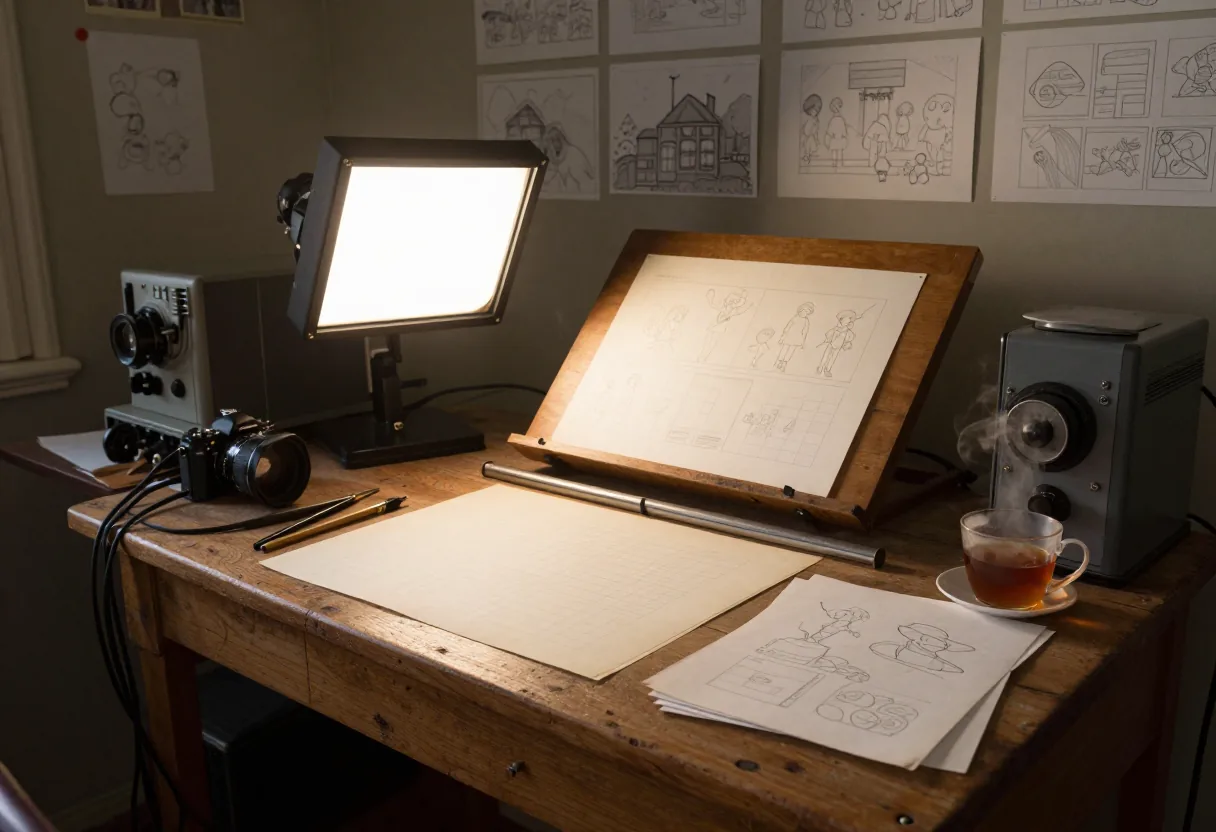
In the 1930s, animation was primarily done using hand-drawn cels, a technique pioneered by studios like Walt Disney Productions.
Animators would draw each frame on clear sheets of cellulose acetate, which were then layered over a background painting. This method allowed for more detailed and complex animations compared to earlier techniques. The use of cels became a standard practice in the industry and remained so until the advent of computer animation.
The 1930s also saw the introduction of synchronized sound and color in animation, which significantly enhanced the viewing experience. Studios like Fleischer Studios and Paramount Pictures also contributed to the evolution of animation techniques during this period.
What is the old style of animation called?
Animation’s old style is called traditional or cel.
Drawing each frame on clear sheets of cellulose acetate, known as cels, involves layering them over a background painting. Traditional animation requires a high degree of skill and patience, as each frame must be meticulously drawn by hand. The process can be time-consuming, with an average animated feature film requiring tens of thousands of individual drawings.
Despite the rise of computer animation, traditional animation continues to be appreciated for its unique aesthetic and the craftsmanship involved. Studios like Studio Ghibli still use traditional animation techniques in their films, preserving the artistry of this vintage animation style.
What was the first animation in history?
The first animation in history is widely considered to be Humorous Phases of Funny Faces (1906) by J. Stuart Blackton.
Chalk drawings on a blackboard, photographed frame by frame, created the illusion of movement in this short film. Blackton’s innovative approach laid the foundation for the development of animation as an art form. The film’s success inspired other animators to experiment with similar techniques, leading to the evolution of animation over the decades.
Blackton’s work showcases the creativity and ingenuity of early animators who laid the groundwork for the sophisticated techniques used in modern animation. The film’s historical importance is acknowledged by institutions like the Library of Congress, which has preserved it as part of the National Film Registry.
Vintage animation history timeline
Vintage animation history is marked by significant milestones that have shaped the art form over the years.
Vintage animation history’s timeline features key developments including synchronized sound introduction, color animation’s advent, and major studios’ rise like Walt Disney Productions and Fleischer Studios. Each era brought unique innovations and styles, contributing to the rich history of animation.
| Era | Key Developments | Notable Works |
|---|---|---|
| 1900s-1920s | Introduction of stop-motion and hand-drawn animation | Humorous Phases of Funny Faces (1906), Gertie the Dinosaur (1914) |
| 1930s | Synchronized sound and color animation | Steamboat Willie (1928), Snow White and the Seven Dwarfs (1937) |
| 1940s-1950s | Rise of major studios and the Golden Age of Disney | Fantasia (1940), Cinderella (1950) |
| 1960s-1970s | Experimentation with new techniques and styles | Yellow Submarine (1968), The Secret of NIMH (1982) |
History of animation timeline
Animation history spans over a century of innovation and creativity.
From the early experiments with stop-motion and hand-drawn animation to the advent of computer-generated imagery, the timeline of animation history is marked by significant milestones that have shaped the art form. Each era brought unique challenges and opportunities, contributing to the rich diversity of animation styles and techniques.
| Decade | Key Innovations | Notable Figures |
|---|---|---|
| 1900s | Stop-motion and hand-drawn animation | J. Stuart Blackton, Émile Cohl |
| 1910s | Introduction of synchronized sound | Winsor McCay |
| 1920s | Color animation | Walt Disney, Ub Iwerks |
| 1930s | Cel animation and major studio productions | Max Fleischer, Dave Fleischer |
Vintage animation history facts
Vintage animation history is filled with fascinating facts that highlight the creativity and ingenuity of early animators.
For instance, the first animated feature film, Snow White and the Seven Dwarfs (1937), took three years to complete and required the work of over 750 artists and technicians. Another interesting fact is that the character of Mickey Mouse was originally named Mortimer Mouse before Walt Disney’s wife, Lillian, suggested the change.
These facts offer a glimpse into the rich history of animation and the dedication of the artists who pioneered the art form. The impact of their work can still be seen in modern animation, where techniques like cel animation are still used in some films.
Old classic cartoons list
Old classic cartoons have left an indelible mark on vintage animation history.
These timeless works have entertained generations of viewers and continue to be celebrated for their creativity and charm. Notable examples include Steamboat Willie (1928), which introduced the world to Mickey Mouse, and Snow White and the Seven Dwarfs (1937), the first animated feature film.
Other classic cartoons like Looney Tunes and Merrie Melodies (1930s-1960s) featured iconic characters such as Bugs Bunny and Daffy Duck, while The Flintstones (1960-1966) was the first animated series to air on prime-time television. These cartoons have become cultural touchstones, reflecting the societal norms and values of their respective eras.
Early history of animation
The early history of animation showcases the creativity and innovation of early animators.
From the earliest experiments with stop-motion and hand-drawn animation to the introduction of synchronized sound and color, the early history of animation is marked by significant milestones that laid the foundation for the art form. The work of pioneers like J. Stuart Blackton and Winsor McCay inspired future generations of animators to push the boundaries of what was possible.
These studios played a crucial role in shaping the art form and establishing animation as a legitimate medium for storytelling and artistic expression. The early history of animation is also characterized by the rise of major studios like Walt Disney Productions and Fleischer Studios, which produced some of the most iconic animated works of the 20th century.
Golden age of cartoons 2000s
The Golden Age of Disney refers to a period in the 1930s to the early 1960s when Walt Disney Productions released a series of highly successful animated films.
During this era, Disney produced some of its most beloved classics, including Snow White and the Seven Dwarfs (1937), Pinocchio (1940), and Cinderella (1950). These films showcased the studio’s mastery of traditional animation techniques and set new standards for the industry. The Golden Age of Disney is often credited with popularizing animation as a mainstream art form and inspiring future generations of animators.
The Golden Age of Disney also saw the introduction of iconic characters like Mickey Mouse, Donald Duck, and Goofy, who have become enduring symbols of the studio’s legacy. The success of these films paved the way for future Disney productions and cemented the studio’s reputation as a leader in the animation industry.
Major studios
Major studios have played a pivotal role in the evolution of vintage animation history.
Studios like Walt Disney Productions, Fleischer Studios, and Warner Bros. have produced some of the most iconic animated works of the 20th century. Each studio brought its unique style and approach to animation, contributing to the rich diversity of the art form. The competition among these studios drove innovation and pushed the boundaries of what was possible in animation.
Walt Disney Productions, for example, was known for its meticulous attention to detail and the use of advanced techniques like cel animation. Fleischer Studios, on the other hand, was renowned for its use of the rotoscope, a device that allowed animators to trace over live-action footage. Warner Bros. was famous for its witty and irreverent humor, as seen in the Looney Tunes and Merrie Melodies series.
Walt Disney Productions
Walt Disney Productions is one of the most influential studios in vintage animation history.
The studio was founded by Walt Disney and Roy O. Disney in 1923 and quickly became a leader in the animation industry. Walt Disney Productions produced some of the most iconic animated films of the 20th century, including Snow White and the Seven Dwarfs (1937), Pinocchio (1940), and Cinderella (1950). The studio’s mastery of traditional animation techniques and its commitment to storytelling set new standards for the industry.
The success of these films paved the way for future Disney productions and cemented the studio’s reputation as a leader in the animation industry. Walt Disney Productions also introduced iconic characters like Mickey Mouse, Donald Duck, and Goofy, who have become enduring symbols of the studio’s legacy. Today, the studio continues to be a major force in animation, producing both traditional and computer-generated animated films.
Beginnings
Stuart Blackton and Émile Cohl. The beginnings of vintage animation history are rooted in the early experiments of pioneers like J.
These animators laid the groundwork for the art form with their innovative techniques and creative vision. Blackton’s Humorous Phases of Funny Faces (1906) is widely considered the first animated film, while Cohl’s Fantasmagorie (1908) introduced the use of hand-drawn animation. Their work inspired future generations of animators to explore the possibilities of animation as a medium for storytelling and artistic expression.
These methods enabled the creation of dynamic and realistic movements, setting the stage for stop-motion animation films. The early days of animation introduced stop-motion techniques, evident in the work of animators like Willis O’Brien and Ray Harryhausen. The early history of animation showcases the creativity and ingenuity of these pioneers, who continue to inspire animators today.
Mickey Mouse
Mickey Mouse is one of the most iconic characters in vintage animation history.
Created by Walt Disney and Ub Iwerks in 1928, Mickey Mouse made his debut in the short film Steamboat Willie. The character’s cheerful and adventurous personality quickly endeared him to audiences, and he became a symbol of the Walt Disney Company’s legacy. Mickey Mouse has appeared in over 130 films and continues to be a beloved figure in popular culture.
Mickey Mouse’s influence on classic animation history is clear. The character’s triumph helped Walt Disney Productions become a leader in the animation field and set the stage for future Disney projects. Mickey Mouse’s lasting appeal reflects the creativity and charm of the character, along with the skill and commitment of the animators who created him.
Wartime Era of Disney
government. The Wartime Era of Disney refers to the period during World War II when Walt Disney Productions shifted its focus to producing propaganda and training films for the U.S.
During this era, the studio produced films like Der Fuehrer’s Face (1943), which used animation to satirize the Nazi regime, and Victory Through Air Power (1943), which promoted the use of long-range bombers. These films showcased the studio’s commitment to supporting the war effort and highlighted the versatility of animation as a medium for communication and education.
Even with these obstacles, the studio persisted in innovating and expanding animation’s potential. During World War II, Disney embraced new methods and technologies as the studio faced the hurdles of creating films amidst rationing and scarcity. The works from this period hold a significant place in classic animation history, showcasing the studio’s enduring spirit and imaginative prowess.
Paramount Pictures
Paramount Pictures has played a significant role in vintage animation history.
The studio was one of the major producers of animated films during the Golden Age of Animation and was known for its collaboration with Fleischer Studios. Together, they produced iconic animated series like Popeye the Sailor and SupermanParamount Pictures’ vintage animation work highlights the studio’s dedication to innovation and creativity, reflecting its lasting impact on the film industry.
This technique enabled the creation of more realistic and dynamic animations, pushing the boundaries of what was possible in the art form. The studio’s collaboration with Fleischer Studios resulted in the development of the rotoscope, a device that allowed animators to trace over live-action footage. Paramount Pictures’ influence on vintage animation history can still be seen today in the techniques and styles used by modern animators.
Fleischer Studios
Fleischer Studios was a pioneering animation studio that made significant contributions to vintage animation history.
Founded by Max and Dave Fleischer in the 1920s, the studio was known for its innovative techniques and iconic animated series like Popeye the Sailor and Superman. Fleischer Studios introduced the rotoscope, a device that allowed animators to trace over live-action footage, enabling the creation of more realistic and dynamic animations. The studio’s work had a profound impact on the evolution of animation as an art form.
Fleischer Studios’ collaboration with Paramount Pictures resulted in the production of some of the most beloved animated series of the 20th century. The studio’s commitment to innovation and creativity set new standards for the industry and inspired future generations of animators. Today, the legacy of Fleischer Studios continues to be celebrated for its groundbreaking contributions to vintage animation history.
How to create still animation movies
Creating still animation movies involves several steps, from planning to production.
- Plan your story: Develop a compelling narrative or concept for your animation.
- Create storyboards: Sketch out the key scenes and shots to visualize the sequence of events.
- Design your characters: Develop the appearance and personalities of your characters.
- Animate frame by frame: Draw or manipulate objects frame by frame to create the illusion of movement.
- Add sound and music: Enhance your animation with synchronized sound effects and a captivating soundtrack.
- Edit and refine: Review your animation, make necessary adjustments, and refine the final product.
Creating still animation movies requires patience, skill, and attention to detail. The process can be time-consuming, but the results can be incredibly rewarding. Whether you’re using traditional hand-drawn techniques or modern digital tools, the principles of still frame animation remain the same. By following these steps and honing your craft, you can create compelling and visually stunning animations that capture the essence of vintage animation history.
The enduring legacy of still animation movies
Still animation movies have left an indelible mark on vintage animation history.
The art form has inspired countless artists and entertained generations of viewers, showcasing the creativity and ingenuity of animators throughout history. From the earliest experiments with hand-drawn and stop-motion techniques to the sophisticated productions of modern animation studios, still frame animation has evolved significantly over the years. The enduring legacy of still animation movies proves the power of storytelling and the timeless appeal of animated films.
Frequently asked questions
What defines a still animation movie?
Still animation movies are created by photographing a series of static images with slight changes between frames. Each frame is a single picture, and when displayed in rapid succession, they create the illusion of motion. Techniques include cut-out animation, where flat characters are moved, and object animation, using real objects.
Which famous movies use still animation?
Notable examples include 'The Nightmare Before Christmas' and 'Coraline,' both produced by Laika. These films blend stop-motion with detailed puppet craftsmanship. Another classic is 'Wallace and Gromit,' created by Aardman Animations, known for its clay animation.
How long does it take to produce a still animation movie?
Production timelines vary. 'Coraline,' for instance, took about four years. Each second of animation can require 24 frames, each needing meticulous adjustment. Complex scenes with intricate details extend production time significantly.
What tools are used in still animation?
Traditional tools include cameras, puppets, and sets. Modern animators use software like Dragonframe for digital capture and editing. 3D printing aids in creating detailed puppets. Lighting and rigging systems ensure consistent frame transitions.
Frequently asked questions (in practice)
What distinguishes stop-motion from other forms of still animation?
Stop-motion animation involves physically manipulating objects in small increments between individually photographed frames. Unlike traditional cel animation or CGI, it relies on tangible materials, creating a tactile, handcrafted aesthetic. Notable examples include 'The Nightmare Before Christmas' and 'Coraline,' where puppets are meticulously positioned for each frame.
How long does producing a stop-motion film typically take?
Producing a stop-motion film is time-intensive. For instance, 'Kubo and the Two Strings' required 10 months of shooting and over 10,000 puppets. Each second of animation can take hours, as animators adjust puppets frame-by-frame. This laborious process contributes to the unique charm and detail of the final product.
Which still animation techniques are used in films like 'Wallace and Gromit'?
Films like 'Wallace and Gromit' use claymation, a subset of stop-motion. Animators sculpt characters from clay, allowing for greater expressive flexibility. The technique involves careful planning to ensure consistency across thousands of frames, as clay can deform during shooting. This method balances creativity with technical precision.
What challenges do animators face with still animation?
Animators contend with physical constraints, such as gravity affecting puppet movements. Lighting must remain consistent to avoid discrepancies. Additionally, the medium demands patience, as errors require re-shooting entire sequences. Despite these hurdles, the result is a rich, textured visual style that digital animation often struggles to replicate.
Related Reading
- Software for Animation: Tools That Shaped the Industry
- Stop-Motion Animation Films: Techniques and Classics
- Claymation and Clay Animation Movies: A Deep Dive
- Fascinating Animation Facts You Need to Know